
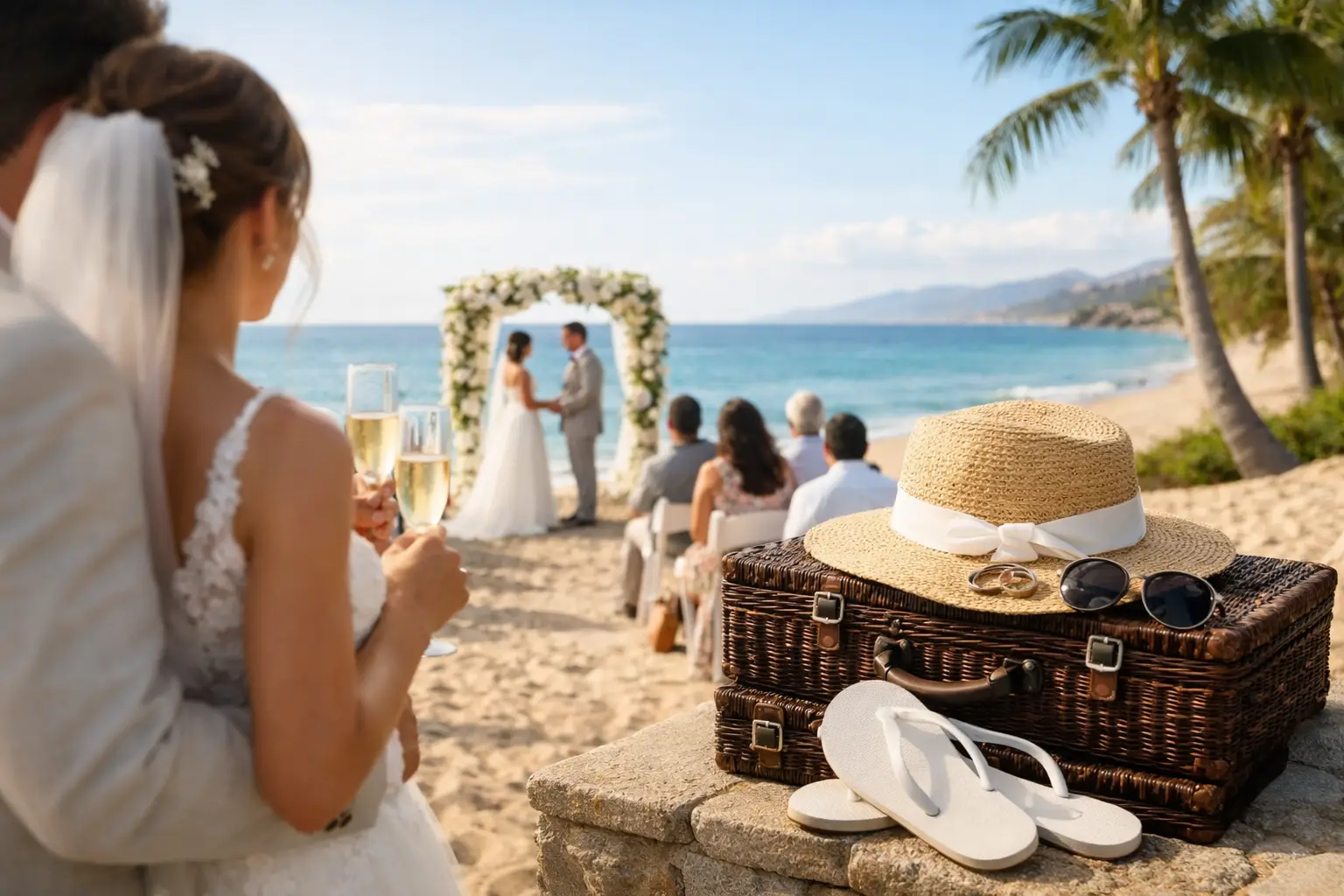
A destination wedding can feel effortless in photos – ocean views, candlelit dinners, everyone dressed for a celebration in paradise. In real life, what is destination wedding etiquette comes down to one simple principle: when guests are investing more time, money, and coordination to attend, hosts should respond with more clarity, more consideration, and better planning.
That does not mean paying for every flight or creating a weekend packed with obligations. It means understanding where hospitality matters most, communicating expectations early, and making each decision with both the couple and the guest experience in mind. Good etiquette is less about rigid rules and more about balance.
What is destination wedding etiquette for couples?
For couples, destination wedding etiquette starts long before invitations go out. The first responsibility is choosing a location that fits the guest list, not just the aesthetic. A stunning private island may sound ideal, but if it requires multiple connections, costly transfers, or passports many guests do not have, attendance may shrink quickly. That is not always a problem if the couple wants a smaller celebration, but it should be an intentional trade-off.
The next piece is timing. Guests need more notice for a destination wedding than they do for a local event. Save-the-dates typically need to go out well in advance so people can budget, request time off, arrange childcare, and decide whether attending is realistic. Waiting too long creates pressure, and pressure is where etiquette starts to unravel.
Clear communication is equally important. Guests should know the destination, wedding dates, nearby airport options, expected weather, attire guidance, and whether there will be additional events across the weekend. If a resort stay is strongly preferred, that should be explained politely and early. Surprises are rarely luxurious when travel is involved.
Etiquette also means being honest about cost. Couples do not need to apologize for hosting a destination wedding, but they should recognize that attendance is a substantial commitment. Guests should never be made to feel guilty if they decline, and the tone of every communication should reflect that.
Hosting well without overcommitting
One of the most common questions couples ask is what they are expected to pay for. Traditional etiquette gives hosts responsibility for the wedding events themselves, while guests generally cover their own travel and accommodations. With destination weddings, that still holds true in many cases, but the answer depends on the overall experience the couple is creating.
At minimum, guests should not be asked to pay for core wedding functions once they have arrived. The ceremony and reception are the hosts’ responsibility. If there is a welcome party, farewell brunch, or group excursion, couples should be thoughtful about whether those events are hosted or optional pay-on-your-own additions. Either can work, but the wording matters. If an event carries a cost, guests need to know that upfront so they can make informed choices.
Transportation is another area where consideration goes a long way. Couples are not always expected to provide every airport transfer, but if the venue is remote or movement between events is complicated, arranging group transportation can make the experience feel polished and reduce unnecessary stress. This is often where professional planning support becomes especially valuable.
Room blocks and hotel options also deserve care. Offering more than one accommodation level can help guests with different budgets attend comfortably. If the wedding is at a luxury property, some guests may happily book there, while others may need an alternative nearby. Good etiquette leaves room for both.
RSVP etiquette for destination wedding guests
Guests have responsibilities too. If attending is not feasible, declining promptly is the courteous choice. Waiting too long in hopes that plans will somehow align makes logistics harder for the couple and can affect room blocks, transportation counts, and event reservations.
If a guest accepts, they should treat that commitment seriously. A destination wedding is not a casual maybe. Once the couple has planned around attendance, last-minute cancellations can create real financial and emotional consequences.
Guests should also avoid assuming the wedding weekend is an all-inclusive hosted vacation. Even when couples plan multiple events, free time, meals, and personal activities may remain the guest’s responsibility. A gracious guest arrives informed, flexible, and appreciative.
Another point that often gets overlooked is attention. Guests should not use the wedding as a platform for their own travel demands or opinions. Complaints about the weather, resort, room category, or transfer schedule can quickly shift focus away from the celebration. If something truly needs to be addressed, it should be handled discreetly and kindly.
Gifts, plus-ones, and family expectations
Gift etiquette for destination weddings is more nuanced than many people expect. Because guests are already spending significantly to attend, couples should never project an expectation of an expensive gift on top of travel costs. Many guests will still choose to send one, but etiquette favors gratitude over assumption.
For guests, attending the wedding generally counts as a meaningful gesture in itself, especially when travel is substantial. A modest gift, a heartfelt note, or a post-wedding gesture can all be appropriate. The right choice depends on budget and relationship, not performance.
Plus-ones can become sensitive in destination settings because every added guest affects contracts, transportation, and event costs. Couples are not required to extend open-ended guest privileges, especially for intimate celebrations. The key is consistency. If some single guests receive plus-ones and others do not, there should be a thoughtful reason behind that decision.
Family dynamics require extra care. Parents, siblings, and close relatives may assume they are entitled to special accommodations, room upgrades, or a larger planning voice. Sometimes that is appropriate, and sometimes it creates imbalance. The best approach is to set expectations early, privately, and respectfully. Clarity prevents resentment.
Dress codes and cultural awareness
Destination weddings often invite lighter fabrics, brighter palettes, and a more relaxed atmosphere, but etiquette still calls for precision. If the ceremony is on a beach, say so. If stilettos will sink into sand or cobblestones, guests should know. If dinner is outdoors in tropical humidity or cool mountain air, that should be addressed in the attire guidance.
This is not about overexplaining. It is about helping guests arrive prepared and comfortable. A well-worded dress code can save everyone from uncertainty.
Cultural etiquette matters too, especially for weddings in international destinations. Couples should understand local customs, venue expectations, legal requirements, and service norms before making promises to guests. Guests, in turn, should respect the setting they are entering. That includes everything from appropriate attire at religious sites to tipping conventions and behavior at local businesses.
A destination wedding should feel connected to place, not careless about it.
What is destination wedding etiquette during the wedding weekend?
Once everyone arrives, destination wedding etiquette becomes more experiential. The goal is not to schedule every moment. In fact, overprogramming can make a beautiful weekend feel like work. Guests generally appreciate a few well-planned touchpoints and enough breathing room to enjoy the destination.
A welcome event is often a smart gesture because it sets the tone, helps guests connect, and offers practical information in a warm setting. From there, couples should be selective. Not every meal needs to be group dining, and not every activity needs to be mandatory.
Hosts should also think through small comforts that have an outsized impact: easy-to-follow itineraries, transportation details that are actually accurate, a point person for questions, and contingency plans if weather shifts. Luxury is often felt most clearly in the absence of confusion.
Guests play a role in that atmosphere as well. Arriving on time, reading the schedule, dressing appropriately, and being kind to hotel and event staff all fall under good etiquette. So does remembering that this is a hosted celebration, not a review panel.
The etiquette mistakes that create the most stress
Most destination wedding missteps are not dramatic. They are cumulative. Vague communication, unrealistic budgets, too many required events, pressure around attendance, and assumptions about what guests can spend are what tend to create friction.
On the guest side, late RSVPs, changing plans casually, bringing uninvited companions, and treating wedding communications as optional are among the most disruptive behaviors. None of these issues are difficult to avoid, but they require attention.
This is why many couples choose expert support for destination celebrations. When travel, rooming, event timelines, and guest communication are handled with care, etiquette becomes easier to uphold naturally. The experience feels designed around people, not just a Pinterest board.
A well-mannered destination wedding is not the one with the most rules. It is the one where everyone feels considered, informed, and genuinely welcomed from the first invitation to the trip home.