
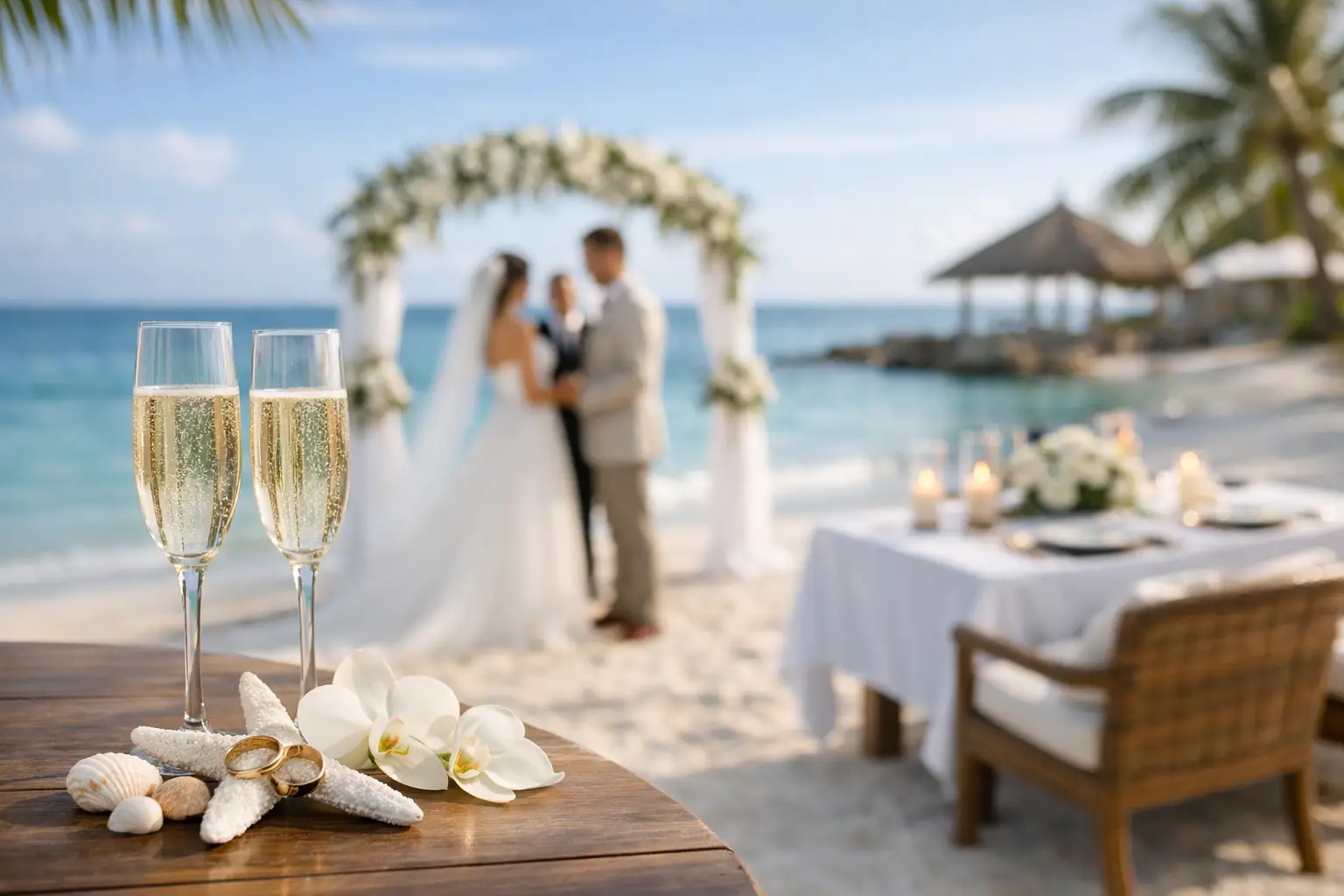
A welcome dinner on the beach, a ceremony framed by the Caribbean, dinner under the stars, and guests who can simply enjoy the celebration – destination weddings all inclusive can make that vision feel far more attainable. The appeal is not only the setting. It is the relief of having many major wedding and travel details organized through one resort partner and one considered plan.
Still, “all inclusive” is not the same as “everything is included.” The most successful celebrations begin with a clear understanding of what a resort package covers, where personalization matters, and how to create an experience that feels generous to guests without asking you to manage every moving part from afar.
What Destination Weddings All Inclusive Usually Include
At its best, an all-inclusive destination wedding brings accommodations, dining, drinks, ceremony essentials, and guest activities into a more predictable structure. Rather than asking loved ones to separately research restaurants, transportation, and entertainment, you give them a well-designed home base where much of the trip is already handled.
Most resorts include guest meals, standard beverages, resort amenities, and a selection of activities in their nightly rate. Wedding packages may add a ceremony location, officiant or symbolic ceremony, basic floral arrangements, a cake, sparkling wine, chairs, audio equipment, and a private reception or dinner reservation. The precise details vary substantially by resort, room category, destination, and package tier.
That variability is where thoughtful planning matters. A package may technically include a wedding cake, for example, but not the design, size, or dessert display you have in mind. A private reception may include a set menu and standard bar, while specialty cocktails, upgraded wines, extended music, custom lighting, and late-night food are additional. None of this is a reason to avoid an all-inclusive resort. It is simply why couples should compare the full celebration experience, not just the starting package price.
Why This Format Works So Well for Guests
A destination wedding asks guests to invest their time, budget, and vacation days. An all-inclusive setting can make that investment feel more comfortable because the day-to-day cost of the trip is easier to anticipate. Once they arrive, guests are not calculating the cost of every meal or deciding where the group should go next.
It also creates natural time together. Friends may gather at breakfast before a pool day, families can linger after dinner, and the wedding weekend gains a relaxed rhythm that is difficult to recreate with a single evening reception at home. Couples have more opportunities for meaningful conversations, spontaneous photos, and shared memories beyond the ceremony itself.
There is a trade-off. Resort life is ideal for guests who appreciate convenience and want to stay near the celebration, but it may feel less appealing to travelers who prefer independent dining and extensive exploration. The right choice depends on your group. For a multigenerational wedding party or a guest list with many first-time international travelers, the clarity and comfort of an all-inclusive resort are often especially valuable.
Start With the Guest Experience, Not the Package
The most beautiful resort is not automatically the best fit. Before choosing a destination, consider who will be traveling with you and what will help them feel at ease. A direct-flight destination may be worth prioritizing over a more remote island. A resort with accessible pathways, varied dining, family-friendly pools, and evening entertainment may serve a broad guest list better than an adults-only property with a quieter atmosphere.
Think about the length of stay, too. A three-night celebration can work well for a nearby destination with frequent flights. For a longer journey, four or five nights often gives guests time to settle in and enjoy the resort without feeling as though they have traveled for only one event.
Your wedding style should guide the property selection. Some resorts excel at intimate, refined celebrations with a limited number of guests. Others are built for lively groups, with larger event spaces and multiple venues for welcome parties, rehearsal dinners, ceremonies, and receptions. A skilled advisor can help distinguish between a resort that photographs beautifully and one that can genuinely deliver the experience you want.
The questions that protect your budget
A resort proposal should be read as a working plan, not a final promise. Ask what is included in the wedding package, what requires a minimum guest count, and which taxes, service charges, and vendor fees apply. Also confirm whether outside vendors are permitted and, if they are, whether the resort charges an access fee.
It is equally wise to clarify the terms around room blocks. Some resorts offer contracted group rates with complimentary rooms, upgrades, or event credits based on the number of rooms booked. Others use a more flexible model that allows guests to reserve individually. One approach is not inherently better. A contracted block can offer stronger benefits, while an individual booking model may give guests more freedom. The right decision depends on your group’s booking habits and your comfort with financial commitments.
Airfare, airport transfers, private events, upgraded decor, photography, beauty services, entertainment, and legal paperwork can all sit outside the headline package. Planning for these costs early keeps the conversation focused on choices rather than surprises.
Personalization Is Where the Celebration Becomes Yours
An all-inclusive wedding does not need to look or feel standardized. The resort provides the foundation; your choices provide the character. A welcome event with local music, a carefully selected menu, thoughtful room gifts, a sunset catamaran outing, or a farewell brunch can make a familiar resort setting feel distinctly personal.
Choose a few details that matter most rather than trying to customize every surface. For some couples, that means investing in photography and florals. For others, it is a private reception with a memorable meal, a live band, or a curated excursion for the wedding party. A focused design budget usually creates a stronger result than scattering upgrades across dozens of small decisions.
Your ceremony time deserves particular care. A late-afternoon ceremony often offers softer light and a more comfortable temperature, but the timing must account for hair and makeup, transportation, family photos, sunset, dinner service, and any local restrictions. Resort wedding teams know their venues well, while a dedicated travel and planning advisor keeps the broader guest journey in view.
At Alux Travel, that means helping couples bring together the resort, room strategy, guest communications, travel logistics, and celebration details in a way that feels composed from the first invitation through the trip home.
Choose Legal or Symbolic With Intention
Many couples legally marry at home and hold a symbolic ceremony at the resort. This option can simplify documentation and allow the ceremony to focus entirely on the moment. It can also offer greater flexibility with the person leading the ceremony, language, timing, and format.
A legal destination ceremony can be meaningful, but requirements vary by country and can include residency periods, certified documents, translations, witness rules, and local fees. If making the ceremony legal abroad is important to you, begin that conversation early and allow extra time for paperwork. A polished destination wedding should feel joyful, not like an international administrative project.
Give Your Guests a Clear, Gracious Path
Guests are more likely to respond confidently when they know the basics early: the resort, travel dates, room options, booking deadline, airport information, and what is included. Share the wedding schedule as it develops, but do not overwhelm people with every detail at once.
A simple cadence works well. Announce the destination and dates well in advance, provide booking guidance when rooms are available, then send practical travel notes closer to departure. Be clear about optional events and any expected attire. If families are attending, mention child-friendly features and childcare options where available.
The most considerate thing you can do is make it easy for guests to get help. A single knowledgeable point of contact can answer room, transfer, flight, and resort questions without turning the couple into a full-time travel desk.
A destination wedding is a rare chance to gather the people you love in a place chosen for joy. When the all-inclusive structure is paired with clear expectations and personal touches, you are free to spend less time coordinating and more time being fully present for the celebration.