
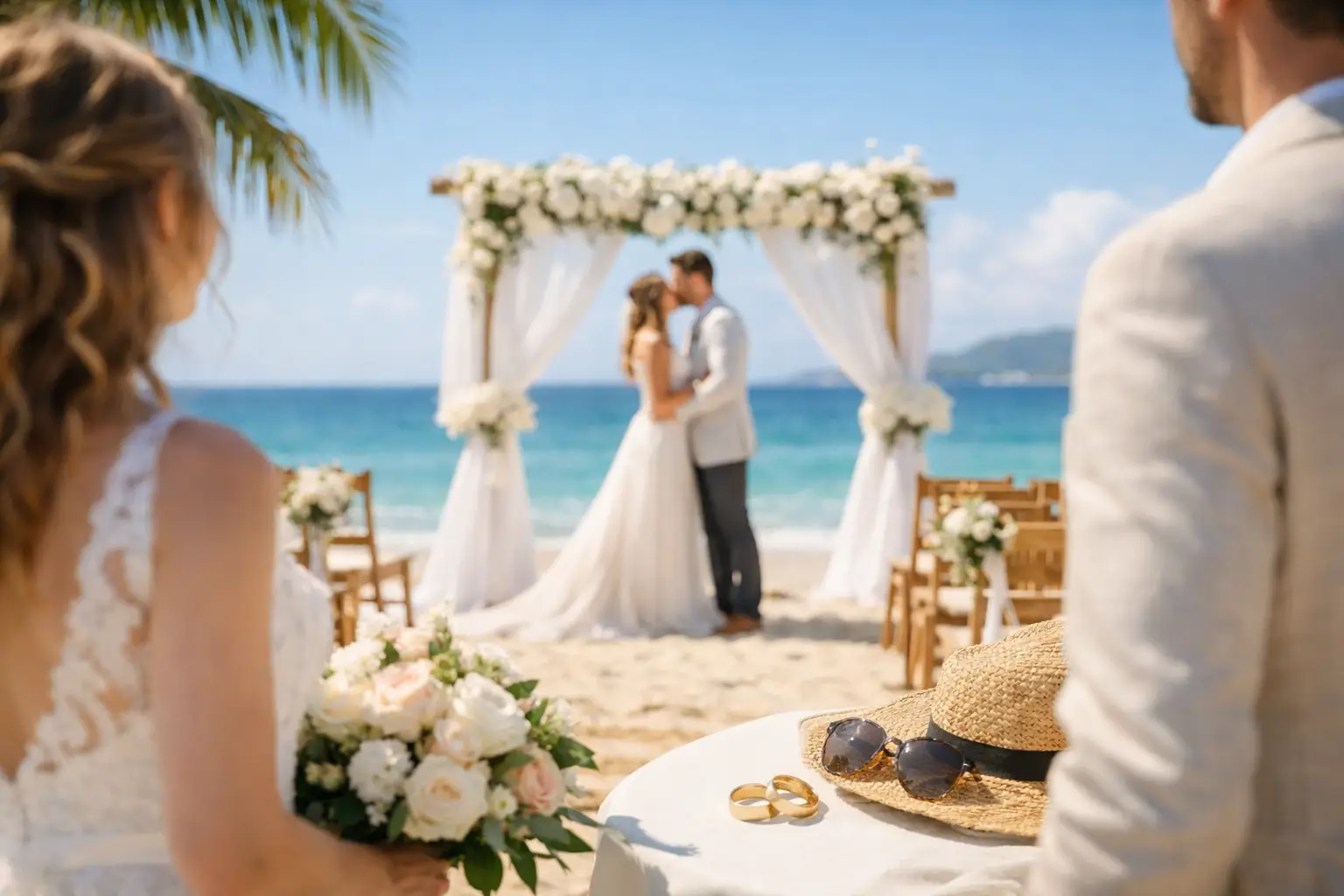
A destination wedding can look effortless from the outside – ocean views, a welcome dinner, a ceremony that feels like a private escape. What most couples want to know before they commit is simpler: how do destination weddings work when real budgets, real guests, and real logistics are involved?
The short answer is that a destination wedding combines wedding planning with group travel planning. You are not just choosing flowers and music. You are selecting a location, securing room blocks, coordinating travel details, working within resort or venue requirements, and making the guest experience feel smooth from arrival to departure. When it is handled well, it feels elevated and personal. When it is handled casually, the moving parts show up quickly.
How do destination weddings work from start to finish?
Most destination weddings begin with a decision about priorities, not a destination. Before you look at resorts or venues, it helps to get clear on the kind of experience you want to create. Some couples want a relaxed beach weekend with close family. Others want a multi-day celebration with dinners, excursions, and a strong hospitality component. That difference shapes everything from budget to location to guest count.
Once priorities are clear, the next step is choosing the destination and venue. This is where practical factors matter as much as aesthetics. A property may be beautiful, but if flights are limited, average stays are too expensive for your group, or the wedding package is restrictive, it may not be the right fit. The best options balance style, accessibility, and guest comfort.
After the venue is selected, dates are confirmed and the wedding contract is signed. At this point, the planning usually splits into two tracks. One track covers the wedding itself – ceremony setup, reception details, food and beverage, decor, entertainment, photography, and any local legal requirements. The other covers travel logistics – guest accommodations, booking support, payment schedules, airport transfers, and communication around the trip.
That split is why destination weddings often feel more complex than traditional local weddings, even when the guest count is smaller. You are managing an event and a travel experience at the same time.
The planning process is usually more structured than couples expect
Many resorts and destination venues offer wedding packages, which can make the process feel straightforward at first. These packages often include the ceremony setup, officiant, bouquet, basic decor, cake, and a reception option. For some couples, that is enough. For others, the package is simply the starting point.
What matters is understanding what is actually included and what is not. A package may cover a private dinner, for example, but not premium menu upgrades, custom floral design, live music, or enough event time for the experience you want. It may include a coordinator on site, but that person is typically focused on executing the venue’s wedding offerings, not on managing your guest travel questions or advising you on whether the property itself is the best choice.
This is where guidance becomes valuable. An experienced travel and wedding advisor helps couples narrow the field early, weigh trade-offs, and avoid committing to a property that looks good online but works poorly in practice. That kind of support can protect both your budget and your peace of mind.
Guest travel is part of the wedding, not a separate task
One of the biggest misconceptions is that guests will simply book their own travel and figure it out. Some will. Many will not, or they will book the wrong room category, arrive on the wrong dates, miss transfer details, or wait until rates rise. If you are inviting a group to celebrate with you away from home, guest logistics become part of the hosting experience.
That does not mean you need to pay for everyone’s trip. It means you need a clear structure. Couples usually reserve a room block or group allotment, set travel deadlines, and share guidance on booking, flights, and event timing. If children are invited, that adds another layer. If you have guests traveling internationally for the first time, it adds another.
This is one reason high-touch planning support matters so much with destination weddings. Couples should not be fielding 40 separate guest questions while trying to make design decisions.
Costs can be lower, equal, or higher – it depends on the event style
People often assume destination weddings are cheaper than traditional weddings. Sometimes they are. Sometimes they are not.
If you are hosting a smaller guest list at an all-inclusive resort with a built-in wedding package, your total spend may come in below what a large hometown wedding would cost. But if you want a luxury property, several private events, elevated decor, entertainment, custom dining, and concierge-level guest support, the numbers can climb quickly.
There are also costs couples do not always factor in at the beginning. These may include vendor travel fees, outside vendor surcharges, event permits, welcome gifts, transportation for private events, beauty services, and extra nights required by the venue. Some resorts have attractive base packages but significant add-on costs once you customize.
That is why the best planning conversations start with honest budget parameters and a realistic guest estimate. A beautiful celebration is absolutely possible across a range of budgets, but the destination, venue, and design choices need to align with what you actually want to spend.
Legal weddings vs. symbolic ceremonies
Another key part of how destination weddings work is deciding whether you want the legal ceremony to happen abroad or at home.
In some destinations, getting legally married is simple. In others, the paperwork, waiting periods, blood tests, translation requirements, or residency rules make it far less appealing. For that reason, many couples choose to complete the legal marriage in the US before departure and have a symbolic ceremony at the destination.
That approach often reduces stress without changing the emotional experience of the day. Your guests still attend the ceremony, you still exchange vows, and the celebration feels the same. The difference is that you are not trying to manage government paperwork while also coordinating a multi-day event.
Timing matters more than most couples realize
Destination weddings usually need more lead time than local weddings, especially if you want strong room availability, preferred dates, or a high-demand resort. A planning window of 12 to 18 months is common for the best selection.
Timing also affects your guests. Save-the-dates should go out earlier than they would for a local wedding because people need time to budget, request time off, arrange childcare, and book flights. If you send travel details too late, attendance may drop even among guests who genuinely want to be there.
Season matters too. Hurricane season, extreme heat, rainy periods, and local holidays can all affect pricing and experience. Sometimes the lowest rates come with meaningful weather trade-offs. Sometimes paying more for a better season is well worth it.
What couples are really managing is the guest experience
The most successful destination weddings feel intentional from the first communication to the final farewell. Guests know where to stay, what to expect, when events are happening, and how to get help if plans change. The event itself may last one day, but the experience starts the moment someone decides whether to attend.
That is why destination weddings benefit from thoughtful pacing. Not every moment needs to be scheduled, but guests do appreciate structure. A welcome event sets the tone. Clear ceremony timing prevents confusion. A post-wedding brunch or casual gathering gives people one more moment together before departures begin.
Just as important is knowing when not to overbuild the itinerary. Some groups love group excursions and multiple hosted events. Others want free time at the resort and a single memorable celebration. It depends on your crowd, your budget, and the kind of atmosphere you want.
So, how do destination weddings work well?
They work well when the planning is realistic, the communication is clear, and the guest experience is treated with the same care as the ceremony itself. They work best when couples choose a destination that fits their people, not just their Pinterest board, and when someone experienced is guiding the moving parts behind the scenes.
For couples who want a celebration that feels elevated without becoming a second full-time job, that support can make all the difference. A well-designed destination wedding should still feel like your wedding – just with better scenery, a longer celebration, and far less friction than trying to coordinate it all alone.
If you are considering one, the smartest place to start is not with a random shortlist of resorts. It is with a clear picture of how you want the experience to feel for you and for the people you are inviting to share it.