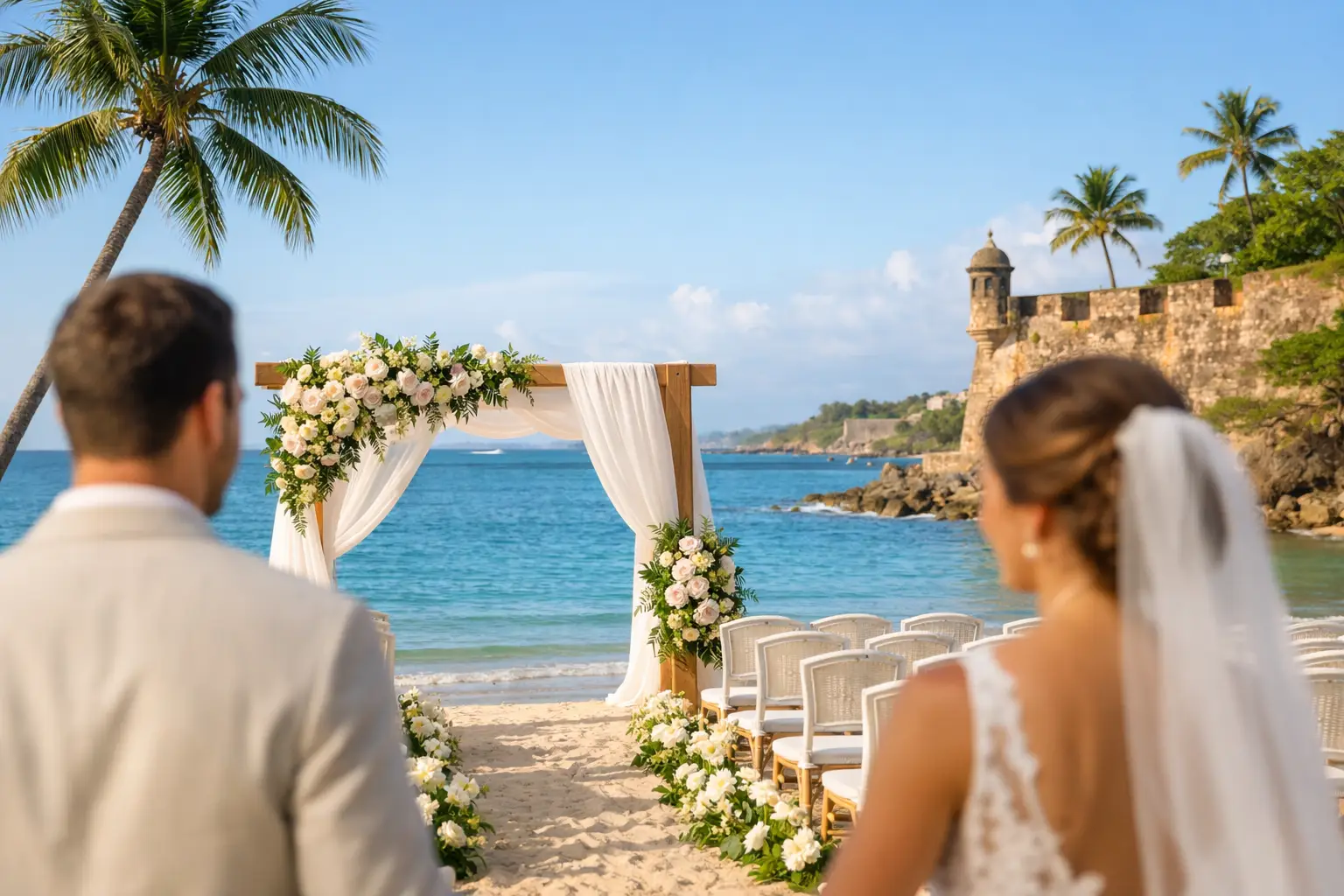

12 Best Milestone Birthday Trips Worth Taking

A milestone birthday deserves more than a crowded dinner reservation and a rushed toast. The best milestone birthday trips create space to celebrate the person you have become, whether that means a private villa with your closest friends, a restorative escape with your partner, or an unforgettable family adventure designed around everyone you love.

The destination matters, but the feeling matters more. A successful birthday trip should feel personal, well-paced, and genuinely easy for the host. That means choosing a place that fits the guest list, balancing special moments with free time, and having the details handled before anyone boards the plane.

What Makes a Birthday Trip Feel Worth It

For a 30th, 40th, 50th, or 60th birthday, the right trip is rarely about choosing the most far-flung destination. It is about choosing the experience that reflects your style. Some travelers want a lively long weekend with beautiful restaurants and late nights. Others want a quiet beach, a private chef, and no schedule beyond sunset cocktails.

Consider how many people are joining, how far they are comfortable traveling, and whether the birthday guest wants to be social all day or have room to recharge. A destination that is perfect for a couples’ escape may not work for a multigenerational family celebration. The most polished trips account for those differences from the start.

12 Best Milestone Birthday Trips to Consider

A Private Villa in Tuscany

Tuscany is made for a slower, more generous kind of celebration. Rent a restored villa surrounded by vineyards and olive groves, then build the days around wine tastings, long lunches, a cooking class, and a private dinner under the stars. It is especially well suited to 40th and 50th birthdays where guests value time together over a packed itinerary.

The trade-off is accessibility. Getting a group to the countryside takes more coordination than meeting at a city hotel, but the privacy and sense of occasion can be well worth it.

A Caribbean Resort Buyout Feel in Anguilla

Anguilla offers the rare combination of exceptionally clear water, refined resorts, and a pace that never feels overproduced. It is ideal for a birthday group that wants polished beach time, excellent dining, and the option to gather without navigating a crowded nightlife scene.

Choose a beachfront villa or a resort with suites close together so guests can be independent while still feeling part of the celebration. A sunset sail and a beach dinner give the trip a natural centerpiece.

A Food-Forward Weekend in Mexico City

For the guest of honor who would rather collect extraordinary meals than sit still on a beach, Mexico City delivers. Design the weekend around acclaimed restaurants, neighborhood markets, art, cocktails, and a private culinary experience. The city has energy, depth, and enough variety to please guests with different tastes.

It works beautifully for a three- or four-night trip, particularly for friends traveling from different parts of the United States. Careful hotel selection and thoughtfully arranged transportation make the experience feel relaxed rather than overwhelming.

A Wellness Retreat in Scottsdale

Scottsdale is a strong choice when celebration means restoration. Desert scenery, luxury spa experiences, golf, pool time, and open-air dining create an easy rhythm for a birthday weekend with friends or family. It also offers a practical option for guests who prefer a shorter flight and a domestic destination.

Plan one elevated group moment, such as a private dinner or guided desert experience, then leave the rest of the schedule intentionally open. Not every birthday needs to be programmed from morning to night.

A Mediterranean Yacht Charter in Greece

A Greek island itinerary turns a milestone into a moving celebration. Chartering a yacht or reserving cabins on a private sailing experience lets guests wake up somewhere new while keeping the group together. Swim stops, cliffside villages, fresh seafood, and unhurried afternoons create the kind of memories that stay vivid long after the trip.

This option is best for groups comfortable with a higher investment and a shared itinerary. Cabins are intimate, and weather can influence the route, but the reward is a birthday experience that feels remarkably removed from everyday life.

A Sophisticated City Escape in Paris

Paris has a special appeal for birthdays that call for romance, style, and a little ceremony. A suite at an exceptional hotel, a private museum visit, a champagne tasting, and a dinner reservation that feels impossible to get can turn a familiar city into a once-in-a-lifetime occasion.

Paris is particularly fitting for couples or small groups. For larger celebrations, a curated neighborhood itinerary helps guests avoid spending too much of the trip simply deciding where to go next.

A Safari Celebration in South Africa

A safari is a powerful choice for a milestone that deserves to feel truly distinct. In South Africa, guests can pair a few nights at a private game lodge with time in Cape Town or the Winelands. Early morning game drives, outdoor dining, and evenings around the fire bring a natural sense of wonder to the occasion.

Because the journey is longer, this is best for travelers who can commit to at least seven to 10 nights. It also rewards thoughtful planning around seasons, internal flights, and lodge style.

A Napa Valley Wine Country Weekend

Napa Valley remains one of the best milestone birthday trips for groups who want ease without compromising on quality. Private tastings, chef-led dinners, vineyard views, and luxurious accommodations provide a refined setting that feels celebratory from the moment guests arrive.

The key is not overbooking winery visits. Two meaningful tastings in a day, paired with a long lunch or relaxed pool time, usually feels more indulgent than trying to see everything.

A Coastal Escape in the Amalfi Coast

The Amalfi Coast is dramatic, glamorous, and designed for a birthday with visual impact. Stay in Positano, Ravello, or a private coastal villa, then arrange a boat day to Capri, a limoncello tasting, and a dinner with views that make the entire table pause.

Summer brings the highest energy and the largest crowds. Travelers who value a calmer pace may prefer late spring or early fall, when the weather remains lovely and the roads are a little more manageable.

A Music and Culture Weekend in New Orleans

New Orleans gives a birthday celebration personality. It is warm, spirited, and rich with experiences that work for a mixed group: live music, private cocktail classes, memorable dining, and historic architecture all within a compact footprint.

This is a particularly smart choice for a milestone group that wants a lively atmosphere without the logistics of an international trip. A centrally located hotel and pre-arranged group dinners keep the weekend feeling elevated.

An Adventure-Luxury Escape in Costa Rica

Costa Rica is ideal when the guest of honor wants equal parts relaxation and activity. Depending on the region, days can include rainforest walks, waterfall swims, surfing, wildlife encounters, spa treatments, and sunset dinners overlooking the Pacific.

It is a versatile choice for couples, families, and active friend groups. The best itinerary usually combines two regions, but transfers require planning, so a well-balanced schedule is essential.

A Winter Celebration in the Swiss Alps

For a birthday that feels cinematic, consider a luxury alpine retreat in Switzerland. Skiing is only part of the experience. Think fireside aperitifs, mountain lunches, spa afternoons, and a private celebration in a chalet or elegant hotel.

This trip works for both skiers and non-skiers when the destination offers shopping, wellness, and scenic mountain access. Holiday periods are especially festive, though they require early planning and a realistic budget.

Plan Around the Person, Not the Trend

The strongest birthday itineraries begin with a few clear decisions: Who is this trip really for? How much structure will feel welcome? What single moment should guests remember most? That moment might be a surprise birthday dinner, a private boat charter, a vineyard table set at golden hour, or simply everyone gathered at a villa with nowhere else to be.

For groups, communication is part of the luxury. Guests need clear payment expectations, flight guidance, room options, and a schedule that feels helpful rather than restrictive. A single point of contact can protect the host from becoming the person answering every question while trying to enjoy their own celebration.

Alux Travel designs milestone journeys around those details, from finding the right property and coordinating guests to arranging the experiences that make a trip feel unmistakably personal. With the right planning, the birthday does not have to be one evening. It can become the story everyone tells for years.

Choose the destination that gives you permission to celebrate exactly as you want to: beautifully, unhurriedly, and in very good company.
Custom Itinerary vs Package Vacation or Both?

A resort package can look wonderfully simple: one price, a polished property, and very few decisions left to make. But a dream trip is rarely only about the hotel. When considering a custom itinerary vs package vacation, the real question is whether the experience will reflect the way you want to spend your time, celebrate, and relax once you arrive.

For some travelers, a package is the smartest, most restful choice. For others, it can feel limiting once dining reservations, flight schedules, family needs, or a meaningful occasion enter the picture. The right answer is not about choosing the more elaborate option. It is about choosing the level of structure, flexibility, and support that gives you genuine peace of mind.

Custom Itinerary vs Package Vacation: The Core Difference

A package vacation groups key travel components into a pre-set offer. Depending on the trip, that might include flights, hotel accommodations, airport transfers, meals, resort credits, or guided touring. The appeal is clarity. You know much of what is included from the start, and there is comfort in having a large share of the trip arranged under one booking.

A custom itinerary is designed around the travelers rather than a fixed template. It may still include a favorite all-inclusive resort or a cruise, but the surrounding experience is tailored: the best flight timing for your schedule, the room category that works for your family, a private transfer after a long flight, a special dinner for an anniversary, or a few days in a second destination before heading home.

The distinction matters because a custom trip is not simply a longer list of bookings. It is a considered plan in which each choice supports the trip as a whole. A luxury vacation should feel easy while you are living it, not require a spreadsheet to make sense of it.

When a Package Vacation Makes Sense

A package vacation is often an excellent fit when your priorities are straightforward and the destination itself does most of the work. If you want a long weekend at an all-inclusive resort, a beach escape with predictable costs, or a cruise where accommodations, dining, and entertainment are already organized, a package can provide remarkable value.

It is also useful for travelers who prefer a familiar rhythm. You may not need to move between hotels, chase reservations across a city, or compare dozens of experiences. Instead, you can settle in, enjoy the property, and let the days unfold at a slower pace.

The best packages are especially appealing when the inclusions match how you actually travel. A resort with quality restaurants, a beach you will use, and activities that suit your group can be a better investment than a more expensive itinerary filled with experiences you do not want.

Still, it is worth reading beyond the headline price. Not every package includes the room category, transfers, dining experiences, excursions, gratuities, or cancellation terms you expect. A lower initial cost can lose its appeal if the trip requires a series of add-ons to become the vacation you had in mind.

The trade-off: convenience can come with fixed choices

Packages operate within defined parameters. Flight times may be less favorable. Room options may be limited. Restaurant reservations, excursions, and special requests may depend on availability after booking. None of these are automatic drawbacks, but they deserve attention when the trip is a honeymoon, milestone birthday, multigenerational vacation, or destination wedding stay.

If a particular view, connecting room setup, dietary need, or private experience matters, it is wise to confirm it rather than assume it is covered by the package description.

What a Custom Itinerary Changes

A custom itinerary begins with the details that are personal to you. Perhaps you only have seven nights and do not want to spend two of them in transit. Perhaps your parents are joining a family trip and need a shorter travel day. Perhaps you want a honeymoon that starts with a lively city and ends at a quiet coastal retreat. Those considerations shape the itinerary from the beginning.

This approach creates room for better pacing. Instead of fitting your plans into a pre-selected schedule, you can choose where to linger, when to leave space open, and which moments deserve advance planning. A private vineyard visit may be more meaningful than a full day of touring. An early dinner near your hotel may be preferable to crossing town after a red-eye flight. Thoughtful planning protects the feeling of ease that travelers are often seeking in the first place.

Customization also gives you more control over the quality of each component. That can mean selecting a hotel for its location and service rather than its package availability, arranging vetted transportation, or reserving experiences that align with your interests. For a group, it can mean balancing shared celebrations with enough independent time for every traveler to enjoy the destination.

The trade-off: more choice requires experienced coordination

A custom trip has more moving parts, and more options are not always better. Without clear guidance, travelers can spend hours comparing hotels, reading conflicting reviews, and trying to connect bookings that do not quite fit together.

That is where a high-touch travel advisor changes the experience. Rather than handing you an overwhelming menu of possibilities, an advisor narrows the field, recommends options with purpose, coordinates trusted suppliers, and keeps the plan organized from departure through return. The value is not only in the itinerary itself. It is in having a knowledgeable advocate when plans shift or a detail needs attention.

Consider the Cost Beyond the Price Tag

The custom itinerary vs package vacation decision is often framed as a budget question, but value is more useful than price alone. A package can be financially efficient because it bundles services and may include benefits that would cost more separately. It can also make spending easier to anticipate, which many travelers appreciate.

A custom itinerary may carry a higher visible price in some cases, particularly when it includes private transfers, distinctive hotels, or exclusive experiences. Yet it can prevent costly missteps: booking the wrong airport, choosing a poorly located property, overlooking a transfer, or investing in excursions that do not suit the group. It also lets you direct your budget toward the elements that matter most to you and step back from those that do not.

For example, a couple celebrating an anniversary may gladly invest in a suite and a memorable dinner while keeping daytime plans relaxed. A family may place greater value on adjoining rooms, dependable transportation, and a resort with activities for several age groups. A custom plan makes those priorities visible rather than treating every traveler the same.

Support Matters Most When Travel Gets Complicated

Most trips feel simple when every flight is on time and every reservation goes exactly as planned. The difference in support becomes more apparent when weather interrupts an itinerary, a transfer is delayed, a room assignment is not what was confirmed, or a group member needs help while away.

With a package, the available support depends on the provider and the terms of the booking. That may be entirely sufficient for a simple getaway. For a more layered trip, though, many travelers prefer one point of contact who understands the complete plan and can help coordinate a response.

For Alux Travel clients, that continuity is part of the experience. The planning process accounts for the details before they become last-minute concerns, while advisor support brings added confidence when travel calls for a quick adjustment. It is especially valuable for weddings, celebratory groups, and trips where several travelers are arriving from different cities.

How to Choose the Right Fit for Your Trip

Start with the purpose of the vacation. If you want to arrive at a well-chosen resort and spend most of your time enjoying its amenities, a package may offer everything you need. If the trip has a specific story behind it, involves multiple destinations, or needs to accommodate different preferences, customization will likely serve you better.

Next, think honestly about your appetite for decisions. Some travelers enjoy researching every restaurant and excursion. Others would rather share a few preferences and receive a polished plan that makes the most of their time. Neither approach is better, but pretending to enjoy the planning process can turn a vacation into another project.

Finally, consider how much flexibility you want once the trip takes shape. Fixed inclusions can be reassuring. Carefully selected choices can be even more rewarding. In many cases, the strongest answer is a blend: use a resort or cruise package as the foundation, then tailor the flights, transfers, room details, and special experiences around it.

Your travel investment deserves more than an attractive rate or a packed schedule. Choose the format that leaves room for the moments you will remember, with the right people, in a way that feels unmistakably your own.

12 Best Group Trip Destinations for Every Style

A group trip should not feel like a second job for the person who suggested it. The best group trip destinations make it easy for every traveler to find their version of a great vacation – whether that means a quiet morning by the pool, a long lunch with a view, or a full itinerary of shared experiences. The key is choosing a place with enough variety, the right accommodations, and logistics that do not take over the celebration.

What Makes a Destination Work for a Group?

A beautiful destination is only the starting point. For birthdays, reunions, bachelor and bachelorette weekends, milestone anniversaries, and wedding parties, the strongest choices pair visual appeal with practical flexibility. Look for direct or manageable flights, accommodation options that keep the group connected, and experiences that can be enjoyed together without requiring everyone to follow the same schedule.

The ideal destination also depends on the group. A multigenerational family may value a resort with suites, kids’ programs, and easy access to dining. A group of friends celebrating a 40th birthday may prefer a villa, lively restaurant scene, and a private boat day. When the pace, privacy, and budget are considered early, the trip feels designed around everyone rather than compromised for everyone.

12 Best Group Trip Destinations to Consider

1. Riviera Maya, Mexico

Riviera Maya remains a favorite for a reason: it is accessible from much of the United States, offers exceptional resort and villa options, and can be as relaxed or active as your group prefers. Private catamaran charters, cenote swims, chef-led dinners, spa afternoons, and archaeological sites give travelers plenty of choices beyond the beach.

It is especially well suited to milestone celebrations and wedding groups. The trade-off is that large resorts can feel impersonal, so selecting the right property, room categories, and group dining plan makes a meaningful difference.

2. Turks and Caicos

For groups that want clear water, polished accommodations, and an unhurried atmosphere, Turks and Caicos is hard to surpass. Grace Bay provides the postcard setting, while private villas and upscale resorts give groups space to gather without sacrificing privacy.

This is a strong choice for a smaller, higher-spend group that wants beach days to be the main event. Dining and excursions tend to carry a premium, so it works best when the group is comfortable prioritizing quality over a packed itinerary.

3. Napa Valley, California

Napa Valley brings together vineyard views, world-class food, restorative spa time, and intimate luxury. It is ideal for adult celebrations where the pleasure is in lingering: a private tasting, a long-table lunch, a beautiful drive between appointments, and an evening meal that becomes the center of the day.

Because tasting reservations, restaurant tables, and transportation require careful coordination, Napa rewards advance planning. It is a particularly elegant fit for birthdays, friend groups, and couples traveling with their closest circle.

4. Charleston, South Carolina

Charleston offers a refined domestic getaway with genuine character. Historic streets, coastal cuisine, rooftop cocktails, and nearby beaches create a full experience without the complexity of international travel. Groups can reserve a private home in the city, plan a guided culinary outing, and leave room for wandering between planned moments.

It works well for long weekends and groups with varying budgets. Spring and fall offer especially pleasant weather, while major event weekends can affect both availability and rates.

5. The Amalfi Coast, Italy

The Amalfi Coast is made for a celebration with a sense of occasion. A cliffside hotel or private villa becomes the setting for slow breakfasts, limoncello at sunset, boat rides to Capri, and meals that stretch late into the evening. It is one of the best group trip destinations for travelers who want scenery, food, and shared experiences to feel cinematic without being overly formal.

The region’s charm comes with narrow roads, stairs, and summer crowds. A thoughtfully paced itinerary, private transfers, and the right home base are essential, particularly for groups that include travelers with mobility considerations.

6. Santorini, Greece

Santorini delivers dramatic views and memorable private dining, making it a natural option for smaller celebration groups. Sunset cruises, wine tastings, and a stay in a caldera-view property offer a beautifully elevated rhythm for a long weekend or a Greek island itinerary.

However, it is not the best fit for every group. The island’s steep paths, busy peak season, and limited large accommodations can make it less comfortable for young children or very large parties. Pairing Santorini with a quieter island can offer a more balanced experience.

7. Cabo San Lucas, Mexico

Cabo combines energetic dining and nightlife with the comfort of luxury resorts and private villas. It is an excellent choice for friends’ trips, golf groups, and celebratory weekends that call for equal parts pool time and polished fun. A sunset yacht charter or a private dinner at the villa can make the trip feel personal rather than packaged.

The destination has distinct personalities. The Corridor feels more resort-oriented and relaxed, while downtown Cabo is livelier. Matching the property location to the group’s expectations prevents the common problem of being either too close to the action or too far from it.

8. Jackson Hole, Wyoming

For groups drawn to open landscapes and active days, Jackson Hole offers a striking change of pace. Winter brings exceptional skiing and cozy lodge experiences; summer opens the door to wildlife viewing, hiking, horseback riding, and national park excursions. It is a rewarding choice for families and friends who want shared adventure alongside elevated accommodations.

The destination requires an honest look at activity levels and seasonality. A well-planned itinerary should include gentler options and downtime, so no one feels that the trip only works for the most athletic traveler.

9. Costa Rica

Costa Rica is an easy yes for groups looking for nature without giving up comfort. Travelers can choose between Pacific beach towns, rainforest lodges, wellness-focused retreats, and high-end resorts with room for everyone to spread out. Zip lining, surfing, wildlife tours, and private hot springs experiences offer natural opportunities to gather.

Because travel times between regions can be longer than they appear on a map, it is usually wiser to choose one or two areas rather than trying to see the entire country. That restraint creates a calmer, more enjoyable trip.

10. Provence, France

Provence suits groups who appreciate beautiful homes, market mornings, rosé lunches, and days shaped by simple pleasures. Renting a private estate creates an inviting center for the trip, with village visits, cooking classes, vineyard appointments, and cycling routes available when the group wants to explore.

This destination is especially compelling for families and close friends who value privacy and a slower pace. It generally works best with a longer stay, as travel time and the appeal of the region encourage travelers to settle in rather than rush through.

11. Maui, Hawaii

Maui has the versatility that many groups need: exceptional beaches, resort convenience, private residences, scenic drives, whale watching in season, and dining that ranges from casual to special-occasion worthy. It is a familiar-feeling choice for travelers who want an island escape without passports or foreign currency.

Availability and responsible tourism considerations should guide planning. Choosing thoughtfully located accommodations and giving the group free time between excursions creates a trip that respects the destination while still feeling effortless.

12. Lisbon, Portugal

Lisbon offers European charm with a relaxed, social energy that works beautifully for groups. Boutique hotels and private apartments, excellent food, nearby beaches, day trips to Sintra, and a thriving wine and cocktail scene provide range without the intensity of some larger European capitals.

Its hills and cobblestones can be demanding, but private transportation and well-chosen neighborhoods help. Lisbon is a particularly smart option for groups seeking a sophisticated international trip with strong value relative to other major Western European destinations.

Plan Around the Moments That Matter

The most successful group itineraries do not schedule every hour. They create a few anchor moments: a welcome dinner, a signature excursion, a celebratory meal, and perhaps one private experience that could not be replicated at home. Around those moments, travelers should have room to choose their own pace.

This is where professional coordination is valuable. Managing deposits, rooming lists, airport arrivals, dietary requests, transportation, and group reservations can quickly become complicated when several households are involved. Alux Travel helps bring those moving pieces into one considered plan, so the host can enjoy the trip alongside everyone else.

Start with the feeling you want guests to take home. When the destination, accommodations, and shared moments all support that feeling, the planning becomes clearer – and the celebration has the space to be genuinely memorable.

Destination Weddings Without the Planning Spiral

A destination wedding is often remembered in moments that never appear on the run sheet: your closest people arriving to a welcome toast after a long flight, a quiet breakfast before the ceremony, everyone lingering by the water long after dinner. Those moments are why destination weddings are so compelling. They turn a wedding day into a shared chapter away from everyday schedules.

They also ask more of the hosts. You are not simply choosing flowers, music, and a menu. You are making decisions about flights, passports, room inventory, transfers, local suppliers, weather patterns, and the comfort of guests with different budgets and travel styles. The goal is not to control every minute. It is to create an experience that feels considered, relaxed, and entirely your own.

Start With the Experience, Not the Destination

A beautiful resort or a striking villa can inspire a wedding, but the right setting is the one that supports how you want the celebration to feel. A three-night adults-only getaway has a very different rhythm from a five-night multigenerational gathering. A group that loves late dinners and beach clubs may flourish in one destination, while a family with young children and older relatives may need shorter flight options, easy transfers, and plenty of on-property variety.

Before comparing venues, consider the guest experience you want to host. Do you picture an intimate ceremony with a dinner that feels like a private holiday? Do you want a full weekend of shared activities, or do you prefer to give guests room to explore independently? Are you inviting people to a destination they already know and love, or offering them a place that feels more unexpected?

These answers narrow the search in a useful way. They help determine whether a large resort, a boutique property, a private estate, or a small collection of hotels is the better fit. They also protect you from selecting a venue based only on photographs, then discovering that it cannot comfortably deliver the atmosphere you had in mind.

The guest list shapes almost every decision

Guest count affects more than ceremony seating. It influences room-block requirements, dining options, transportation, event spaces, and the level of privacy available to your group. A 25-person celebration can feel wonderfully personal at a boutique hotel, but a 100-person event may need a property with stronger group infrastructure and more flexibility around meal service and event flow.

It is also wise to be candid about attendance. Destination weddings typically bring a more intimate guest list because travel requires time, planning, and a financial commitment. That is not a compromise if closeness is part of the vision. It can be the very reason the celebration feels meaningful. Still, setting realistic expectations early helps you select a venue and contract that fit the group likely to attend, not the group you hope might attend.

The Details That Make Destination Weddings Feel Easy

Guests rarely see the planning behind a well-run wedding weekend. They simply feel welcomed. That sense of ease comes from anticipating the points where travel can become stressful and putting clear, gracious systems in place.

Travel information should be shared early, especially for international celebrations or popular travel periods. Guests need enough notice to request time off, renew passports, coordinate childcare, and make payments. A wedding website or a well-organized communication plan can answer practical questions without making guests search through old messages: recommended flight airports, check-in details, transfer guidance, dress expectations, and the schedule for hosted events.

Room planning deserves the same care as the ceremony. A room block is not always the right answer, particularly at smaller luxury properties or destinations with limited inventory. In other cases, holding rooms can give guests confidence and help keep the group together. The better approach depends on the property’s terms, the season, the size of your party, and whether you are comfortable taking on attrition obligations if rooms go unbooked.

Transportation is another quiet differentiator. An airport that looks close on a map may involve a lengthy mountain drive, a ferry connection, or limited arrival times. Arranging reliable transfers, communicating arrival windows, and having a point of contact for travel-day questions can make the first impression of the trip feel calm rather than chaotic.

Build in unstructured time

A destination wedding does not need an activity scheduled from morning to night to feel special. In fact, the most successful itineraries usually leave breathing room. Guests may want a beach afternoon, a spa appointment, a round of golf, or simply time to recover from travel before the welcome event.

Choose two or three meaningful touchpoints instead of filling every open hour. A welcome dinner, the wedding celebration, and a farewell breakfast often create a generous framework. If you add an excursion or group outing, make it optional and accessible. A thoughtful itinerary should bring people together without making the weekend feel like an obligation.

Budget for the Full Experience

The most useful destination wedding budget is one that looks beyond the ceremony package. Venue fees and food and beverage minimums matter, but so do service charges, local taxes, private-event rentals, upgraded lighting, entertainment, transportation, welcome amenities, photography travel, and the couple’s own accommodations.

Costs vary widely by location and season. A lower room rate may be offset by more expensive flights or transfers. A seemingly inclusive package may still have limitations on menu options, guest count, event duration, or premium spaces. Conversely, a higher nightly rate at a well-equipped resort may reduce the need for outside vendors and simplify logistics.

It helps to decide what deserves the largest share of your investment. For some couples, it is exceptional food and an unforgettable reception setting. For others, it is giving guests a longer stay, reserving a private buyout, or creating an elevated welcome experience. There is no universal right allocation. The clearest decisions come from understanding your priorities before a proposal is presented.

Guests should also have a straightforward picture of what they are expected to cover. Traditionally, guests arrange their own travel and accommodations, while the couple hosts selected wedding events. But traditions are flexible. You may choose to subsidize certain rooms, provide airport transfers, host additional meals, or offer a range of lodging options nearby. Clarity is always more gracious than assuming everyone will interpret an invitation the same way.

Choose Partners Who Understand the Place

A destination can be spectacular and still be operationally complex. Local rules may govern ceremony locations, music hours, vendor access, décor installation, and legal marriage requirements. Weather can be predictable without being guaranteed. A beachfront reception may need a rain plan, and an island wedding may require a thoughtful approach to supply deliveries and backup timing.

This is where experienced guidance becomes especially valuable. The right travel and event partners know which questions to ask before a contract is signed: What happens if weather moves the ceremony indoors? Are there sound restrictions? How many restaurants can accommodate the group? Is the property equipped for guests arriving across multiple days? What does the cancellation language actually mean?

A trusted advisor can also serve as a steady point of contact for guests while protecting the couple’s time. At Alux Travel, that means coordinating the travel side of the celebration with the same attention given to the wedding itself, from hotel options and group arrangements to itinerary support and traveler communication. The result is less time spent troubleshooting logistics and more space to enjoy the people you invited.

Plan for Reality, Not Perfection

Even the most carefully arranged celebration may include a delayed flight, a guest who needs medical assistance, or rain during an outdoor event. Good planning does not promise that nothing will change. It gives you options when it does.

Travel insurance deserves consideration for both the couple and guests, particularly when international flights, nonrefundable deposits, or complex connections are involved. Contracts should be reviewed with care, and important details should be confirmed in writing. For outdoor plans, a backup venue should feel like a genuine second setting, not an afterthought everyone hopes to avoid.

The same principle applies to your personal schedule. Arrive before the majority of guests when possible. Give yourselves time to settle in, meet on-site partners, and enjoy a quiet moment before the festivities begin. After months of decision-making, that buffer can be one of the most valuable luxuries you build into the trip.

A destination wedding succeeds when guests feel the warmth of your invitation, not the weight of the logistics behind it. Choose a place that reflects you, make room for the people you love to travel in comfort, and let thoughtful planning carry the details so you can be fully present when the celebration begins.

What a Luxury Travel Agent Does for Your Trip

A luxury trip can look effortless from the outside: the right suite, a private transfer waiting at arrival, dinner reservations that suit the moment, and an itinerary with room to breathe. What guests rarely see is the coordination behind it. A luxury travel agent manages those moving parts with your preferences, time, and investment in mind, so the experience feels considered rather than overplanned.

For travelers who value personal attention, the real benefit is not simply having someone make reservations. It is having an advisor who understands what matters to you, anticipates pressure points, and remains accountable from the first conversation through your return home.

A Luxury Travel Agent Is More Than a Booking Resource

Online booking tools are useful for a straightforward hotel stay or a familiar destination. They are less helpful when a trip involves multiple cities, special occasions, premium accommodations, a group with competing needs, or a destination where the details matter as much as the headline.

A luxury travel agent begins by learning how you want to travel. Some clients want a quiet beachfront escape where every decision is made before departure. Others want a food-focused itinerary in a city they have never visited, with expert guides, thoughtful hotel choices, and enough flexibility for spontaneous afternoons. A family may need connecting rooms, reliable transportation, and experiences that work for several generations. A honeymoon couple may care most about privacy, pace, and the feeling that the trip was designed just for them.

That understanding shapes every recommendation. Rather than sending a generic list of resorts, an advisor narrows the field based on your style, priorities, budget, and practical considerations. The result is a plan that feels personal, not pulled from a search result.

The Value Is in the Details You Do Not Have to Manage

Travel planning can become a second job quickly. Comparing room categories, confirming transfer schedules, reviewing cancellation terms, coordinating flights, and keeping everyone in a group informed takes time. When plans change, the work becomes even more demanding.

A luxury advisor takes ownership of that administrative load. They research vetted options, coordinate with trusted travel partners, organize confirmations, and build an itinerary that makes sense on the ground. If you are arriving late, moving between properties, or celebrating a milestone, those details are considered before they become problems.

This support is especially valuable for trips where one missed connection or poorly timed activity affects the entire experience. A well-planned itinerary accounts for travel time, jet lag, local rhythms, and the simple reality that an exceptional trip should not feel like a race from one reservation to the next.

There is also value in having a single point of contact. Instead of calling an airline, messaging a hotel, and trying to reach a tour provider while away, you have an advocate who understands the complete picture. That peace of mind is difficult to replicate through separate, self-booked reservations.

Access Matters, but Fit Matters More

Luxury travel is often associated with upgrades, preferred amenities, and exclusive experiences. Those benefits can be meaningful, particularly when they complement the purpose of your trip. A welcome amenity is pleasant. A room placement that better suits a family, a couple, or a celebration can matter much more.

The best advisors focus on fit first. They know that the most expensive property is not automatically the right one, and that a celebrated restaurant is not always the best choice after a long international flight. Their role is to make recommendations with context, then coordinate the details that make those choices feel easy.

This approach also protects your travel investment. Premium travel comes with higher stakes. If a resort, cabin category, private villa, or tour is not aligned with your expectations, the disappointment is not easily fixed after arrival. Expert guidance helps you make informed decisions before commitments are final.

When Personalized Travel Planning Makes the Biggest Difference

Nearly any trip can benefit from professional planning, but certain occasions call for a higher level of coordination. Honeymoons need more than beautiful hotels. They need a pace that allows couples to settle in, celebrate, and enjoy the destination without spending the trip managing logistics.

Destination weddings require an even broader view. Guests may be departing from different cities, arriving on different days, and navigating unfamiliar travel requirements. The couple needs someone who can help organize travel details while keeping the guest experience polished and clear. The goal is not only a memorable ceremony, but a calm, well-managed celebration around it.

Group trips bring a different challenge: balancing shared moments with individual preferences. A birthday getaway, reunion, or friends’ trip needs clear communication, appropriate accommodations, and logistics that do not leave the organizer answering questions all day. A travel advisor can coordinate the group while preserving the feeling that each traveler is being cared for.

Complex itineraries also benefit from professional oversight. Consider a multi-country vacation with flights, rail connections, transfers, hotels, guides, and special dining plans. Each component may work independently, yet the trip only feels smooth when they work together. That is where a thoughtfully designed itinerary earns its value.

What a Thoughtful Planning Process Looks Like

A high-touch travel experience should begin with a conversation, not a booking form. Your advisor should ask about more than dates and destination. They should want to know how you prefer to spend your days, what has worked well on past trips, who is traveling, and what would make this occasion feel special.

From there, planning typically moves from broad direction to refined detail. You may begin with a few strong destination or property options, then shape the final choice around accommodations, transportation, experiences, and pacing. Good advisors explain why they are recommending something, including where there may be trade-offs.

For example, a more remote resort may offer privacy and extraordinary scenery, but require a longer transfer. A centrally located city hotel may make sightseeing easier, while a quieter neighborhood provides a more residential feel. There is no universal best option. There is the option that best supports the trip you want to have.

Once reservations are in place, the planning continues. A complete itinerary should make key details easy to find without overwhelming you with unnecessary information. You should know where to be, when to be there, and whom to contact if something changes. The goal is confidence, not a tightly packed schedule.

Choosing the Right Luxury Travel Advisor

The right advisor should make you feel heard from the start. Look for someone who is curious about your preferences, direct about realistic expectations, and responsive in a way that suits the complexity of your trip. Luxury service is not about saying yes to every request. It is about offering informed guidance and following through.

Ask how the advisor approaches supplier relationships, trip support, and changes during travel. You may also want to understand their planning fees and how recommendations are selected. Transparency builds trust, particularly when you are making a significant investment in a honeymoon, family vacation, or celebration.

Chemistry matters, too. You are placing meaningful time and money in someone else’s hands. The process should feel organized and personal, with enough communication to reassure you and enough discretion to keep the experience calm.

At Alux Travel, that relationship begins with designing around you. Whether you are planning an intimate escape, bringing family together, or coordinating a destination celebration, the focus remains on thoughtful choices, clear coordination, and attentive support throughout the journey.

The most memorable travel rarely comes from doing more. It comes from being fully present when the right moments arrive. Choose a partner who handles the details with care, so your attention can stay where it belongs: on the people, places, and celebrations that made the trip worth taking.

Destination Weddings in the Caribbean, Planned Well

A Caribbean wedding should feel like the moment your guests step into warm air and realize they have nothing to manage but enjoying the week ahead. Yet destination weddings in the Caribbean ask couples to make a series of decisions that are easy to underestimate: which island suits the celebration, how guests will arrive, where everyone will stay, and what happens when weather or flight schedules shift.

The most memorable celebrations balance a strong sense of place with thoughtful coordination. The goal is not to fill every hour. It is to create an experience that feels beautifully considered, personal to you, and easy for the people you love to enjoy.

Why the Caribbean Works for a Wedding Celebration

The Caribbean offers something few wedding settings can match: a ceremony and a vacation in one carefully designed experience. Guests can gather for a beachfront welcome dinner, spend unstructured time by the water, and celebrate well beyond the ceremony itself. For couples, that extra time often becomes the most meaningful part of the trip.

The region also offers remarkable range. A polished resort in Turks and Caicos can feel very different from a vibrant, music-filled weekend in Jamaica or a more intimate villa celebration in St. Lucia. Some couples want a lively, all-inclusive property where every guest has options. Others prefer a secluded resort, a boutique hotel, or a private estate that keeps the group close together.

That variety is a strength, but it makes choosing well essential. The best island is not necessarily the one with the most dramatic beach photos. It is the one that fits your guest list, budget, desired atmosphere, and tolerance for travel time.

Choosing the Right Caribbean Island for Your Wedding

Start by thinking about the experience before the venue. If many guests are traveling from the United States for a long weekend, direct flights and a short airport-to-resort transfer may matter more than an ultra-remote setting. If your group includes young children, older relatives, or guests who have never traveled internationally, an easy arrival process creates immediate peace of mind.

Jamaica, the Dominican Republic, and the Bahamas can be particularly appealing for groups that value frequent flight options and a broad range of resorts. Aruba is known for its dry climate and reliable sunshine, while St. Lucia delivers dramatic landscapes and a romantic, elevated feel. Anguilla, Turks and Caicos, and the British Virgin Islands appeal to couples looking for a more refined, relaxed pace, though they may require a larger travel investment or additional connections.

There is no universal best choice. A couple hosting 80 guests with different budgets may prioritize an accessible all-inclusive resort. A smaller group of 20 may prefer the privacy and flexibility of a villa-based wedding. The setting should support the kind of gathering you want, rather than asking your guests to adapt to a beautiful but inconvenient plan.

Consider the guest experience from door to door

A destination wedding begins at the airport, not at the ceremony site. Consider flight schedules, required connections, passport needs, arrival windows, transfer times, and the availability of room categories at different price points. These details can feel administrative, but they shape whether guests arrive relaxed or depleted.

It is also wise to think through accessibility. A cliffside ceremony may be breathtaking, but uneven paths, stairs, heat, and lengthy walks can create challenges for some guests. A strong plan does not diminish the vision. It makes sure everyone invited has a comfortable way to be part of it.

Build a Wedding Weekend, Not an Overplanned Itinerary

The Caribbean naturally encourages people to slow down. Let it. Your guests do not need a packed calendar to feel welcomed. In fact, leaving room for a beach morning, a spontaneous lunch, or a quiet afternoon is part of what makes destination celebrations feel special.

A simple rhythm often works best: a welcome gathering on the first evening, free time the next day, the wedding celebration, and an optional farewell breakfast or sail. This gives the group meaningful touchpoints without turning the trip into a schedule everyone must follow.

For larger groups, optional activities can help guests connect. A catamaran outing, guided island tour, golf day, snorkeling excursion, or private dinner may be a wonderful addition, but participation should never feel required. Guests have different travel budgets, energy levels, and ideas of vacation. Offering choice is a gracious way to host.

Make the welcome feel personal

Small, intentional details set the tone long before the ceremony. A welcome note with the weekend schedule, practical local information, and a few favorite recommendations helps guests feel looked after. Consider including water for the room, a locally made treat, or a thoughtful item they can use during the stay.

The most effective welcome touches are useful rather than excessive. Guests will appreciate clear timing, transportation details, dress guidance, and a contact point for questions far more than a crowded gift bag. A well-informed guest is a relaxed guest.

Budget Beyond the Ceremony

Destination wedding budgets are often discussed in terms of flowers, photography, food, and music. Those are important, but the overall investment extends further. Couples should account for site fees, room blocks, private events, taxes and service charges, group transportation, vendor travel, welcome events, and possible weather contingencies.

Resort packages can offer clarity and convenience, especially when a wedding team handles core elements. However, a package is only valuable if it reflects your priorities. Some couples are happy with a curated set of options and the simplicity it provides. Others want a more custom design, specific culinary choices, or outside vendors. Both approaches can be exceptional, but they come with different levels of flexibility and cost.

Be transparent with guests early. Share the estimated room rates, number of nights, and major trip expenses before save-the-dates go out. Offering a range of accommodations when possible can make attendance more feasible without compromising the feeling of the event. Thoughtful communication protects relationships and avoids uncomfortable surprises later.

Plan for Weather Without Letting It Lead the Day

Caribbean weather is part of the landscape, and even the sunniest islands can have a passing shower. Hurricane season generally runs from June through November, with the highest activity typically later in that window. This does not mean a summer or fall wedding cannot be wonderful. It means the planning should be informed, flexible, and supported by realistic backup options.

Ask venues specific questions about their rain plan. Is there an indoor space that feels intentional, or is the alternative an improvised ballroom? How late can a ceremony location be changed? What happens to outdoor furniture, lighting, and music equipment if rain moves in? A polished team will answer these questions clearly and offer solutions before they are needed.

Travel insurance can also be an important consideration for both couples and guests, particularly when substantial travel costs are involved. The right coverage depends on the trip, the season, and each traveler’s needs, so it is worth reviewing options carefully rather than treating it as an afterthought.

Let One Team Own the Details

A destination wedding brings together many moving parts: resort contracts, guest reservations, airport transfers, event timelines, vendor communication, dietary needs, rooming questions, and on-island changes. When responsibility is scattered across several people, small gaps can become stressful quickly.

Working with an experienced travel advisor and wedding partners gives couples a clear point of contact and a stronger advocate throughout the process. At Alux Travel, the focus is on designing travel around the couple and their guests, while coordinating the details that make the celebration feel calm from the first invitation through the journey home.

The best support does more than make reservations. It anticipates the questions guests will ask, helps protect the group travel investment, and keeps the couple from spending the months before their wedding managing spreadsheets and logistics.

Give Your Guests a Reason to Remember the Place

A wedding weekend does not need to be extravagant to feel extraordinary. Sometimes the lasting memory is a sunset toast after the rehearsal dinner, a local musician greeting guests at the reception, or the shared quiet of breakfast overlooking the sea the morning after.

Choose details that belong to the island and to you. When the setting, hospitality, and planning all work together, the Caribbean becomes more than a backdrop for your ceremony. It becomes part of your story, giving every guest the rare gift of being fully present for the celebration.

Destination Wedding Guest Guide for Easy Travel

A destination wedding invitation is a joyful yes with a few more moving parts than a local celebration. This destination wedding guest guide is designed to help you make thoughtful decisions early, travel with confidence, and arrive ready to be fully present for the couple – not preoccupied with a delayed connection, an overlooked dress code, or a last-minute hotel change.

The goal is not to plan every minute of the trip. It is to give yourself enough structure that the celebration feels easy from departure through the journey home.

Start With the Invitation Details

Before booking anything, read the wedding website and invitation closely. Confirm the ceremony date, recommended arrival date, hotel information, dress code, planned group events, and any transportation arranged by the couple. A wedding on Saturday may include a welcome dinner on Friday, a rehearsal gathering for close friends, or a farewell brunch on Sunday. Your travel dates should reflect the events you genuinely intend to attend.

Pay particular attention to the destination itself. A beachfront wedding may be wonderfully relaxed, but it can also mean high humidity, sand, wind, and limited access to certain stores or services. A celebration in Europe may involve a longer flight, different outlet types, and a meaningful time change. Resort weddings often simplify logistics, while weddings in cities or more remote settings may require separate planning for accommodations, local transportation, and dining.

If something is unclear, ask the couple or their designated wedding contact well before the final weeks. Avoid making the couple your travel concierge during the busiest stretch of their planning. A clear question early is considerate. A series of urgent questions days before departure is not.

Book Early, But Build in Flexibility

For most destination weddings, booking flights and accommodations soon after confirming your attendance is wise. Group hotel blocks can fill quickly, and flight prices rarely improve simply because you wait. Booking early also gives you a better selection of room categories, flight times, and seats.

That said, the lowest fare is not always the best value. A connection that is too tight, an airport far from your resort, or a flight arriving minutes before the welcome event can create unnecessary pressure. When possible, choose an itinerary that arrives at least one day before the wedding. For international travel, two days can be the more comfortable choice, especially when jet lag or weather disruptions are likely.

Travel insurance deserves thoughtful consideration as well. Coverage and exclusions vary, so review the details rather than assuming every policy protects every expense. It can be particularly valuable when your trip includes prepaid resort stays, international flights, or several nonrefundable elements. If you are traveling during hurricane season, winter weather season, or a period known for airline congestion, flexibility becomes part of the luxury.

Choose Accommodations That Support the Experience

Staying at the couple’s selected hotel or resort is often the simplest option. It keeps you close to the events, makes shared transportation easier, and creates those spontaneous moments that make a wedding weekend memorable. Morning coffee with friends, an impromptu poolside conversation, or a quick change before dinner can be part of the experience.

Still, it depends on your needs. Families may need a suite, connecting rooms, or a kitchen. Some guests may prefer a quieter property nearby, while others may want to extend the trip and split their stay between the wedding resort and another destination. If you stay elsewhere, confirm how you will get to each event and whether outside guests have access to the wedding property. Some all-inclusive resorts have day-pass rules or restrictions that affect non-resort guests.

A travel advisor can be especially helpful here, coordinating options that match your preferences while keeping the group schedule in view. The right hotel is not simply beautiful. It should make the weekend feel more relaxed.

A Destination Wedding Guest Guide to Flights and Transfers

Flight planning is where a little foresight protects the entire trip. Whenever possible, avoid the final flight of the day. If it is canceled, options may be limited until morning. Nonstop flights are ideal, but a well-paced connection can be a smarter choice than an expensive nonstop if the destination has reliable service and you have time to spare.

Keep wedding attire, essential medication, travel documents, and one change of clothes in your carry-on. If your checked bag is delayed, you will have the items that matter most. For formalwear, consider carrying it in a garment bag if your airline permits, and ask the flight crew politely about available closet space. Never assume it will be available.

Arrange airport transfers before you land, particularly in unfamiliar destinations. Confirm the pickup instructions, driver contact information, vehicle capacity, and whether gratuity is included. After a long travel day, knowing exactly where to go is a small detail that creates real peace of mind.

Pack for the Wedding, Not Just the Weather

Packing for a destination wedding calls for more than checking the forecast. Think through the full rhythm of the trip: travel day, welcome event, ceremony, reception, daytime activities, dinners, and departure. Then consider the practical realities of the location.

For a warm-weather celebration, breathable fabrics, comfortable dress shoes, and a light layer for air-conditioned spaces are often more useful than extra outfits. For a colder destination, choose outerwear that works with formal clothing rather than treating it as an afterthought. If the ceremony is on grass, sand, cobblestone, or a boat, your preferred shoes may not be the most functional choice.

Pack your wedding-day look with intention. Steam or press garments ahead of time when possible, bring appropriate undergarments and accessories, and allow time for a quick refresh after travel. If you are part of the wedding party, confirm the exact color, style expectations, and getting-ready timeline rather than relying on old messages or memory.

A compact travel kit can prevent small inconveniences from taking up too much space in your day. Include stain remover, fashion tape, blister protection, a portable charger, sunscreen, and any personal essentials that may be difficult to find locally. You do not need to prepare for every possibility. You simply want to avoid losing an hour to a solvable problem.

Handle Gifts With Care

A physical gift can be cumbersome to transport, especially on an international itinerary or at an all-inclusive resort. Shipping a gift ahead, selecting an item from the couple’s registry that can be delivered to their home, or contributing to a honeymoon fund is often more practical. The best choice is the one that honors the couple without adding a fragile item to your luggage or another responsibility to their wedding weekend.

If you bring a card, keep it with your personal belongings until the appropriate moment. Avoid leaving cash or envelopes unattended at a busy event. Most couples will have a designated card box, but it is reasonable to ask a member of the wedding team where gifts should go.

Be a Thoughtful Part of the Group

Destination weddings are intimate by nature, and the couple has likely invested significant care in bringing their favorite people together. Arrive on time, respect the stated dress code, and RSVP for each event accurately. If you said yes to a seated dinner or a reserved excursion, treat that commitment seriously.

Group travel also requires a little patience. Transportation may run on a shared schedule. Restaurant service may move at a different pace than it does at home. A tropical rain shower may reshape an afternoon plan. These moments are easier when guests focus on the reason everyone traveled in the first place.

Be mindful of what you share online, too. If the couple has requested an unplugged ceremony or prefers to post wedding photos first, honor that preference. Your photos can wait. Your presence cannot be replaced.

Leave Room for Your Own Experience

It is perfectly reasonable to enjoy the destination beyond the wedding events. Add a spa afternoon, book a private dinner, take a cultural tour, or extend your stay for a few quiet days. Just avoid overfilling the itinerary. A destination wedding should feel celebratory, not like a race between reservations.

The most gracious guests are prepared, flexible, and genuinely glad to be there. Give yourself time, choose arrangements that reduce friction, and let the details be handled before the first toast. Then you can do what the couple invited you to do: celebrate generously, connect deeply, and return home with more than photographs.

Destination Weddings in Jamaica, Thoughtfully Planned

A welcome cocktail as the sun settles over Montego Bay. A ceremony framed by the Caribbean rather than a ballroom wall. The next morning, your favorite people are still together, lingering over breakfast instead of rushing home from a reception. That is the particular appeal of destination weddings in Jamaica: the wedding is only one beautiful part of a shared, unrushed experience.

Jamaica brings together spectacular scenery, warm hospitality, direct flight options from many US cities, and resorts that understand how to host a celebration. Yet a destination wedding is not a standard wedding moved to a beach. It requires thoughtful choices around location, guest comfort, event flow, and the level of privacy you want. With the right plan, those choices feel simple and the experience feels entirely your own.

Why Jamaica Works So Well for a Wedding Weekend

Jamaica offers a rare combination of ease and atmosphere. Many guests can reach Montego Bay through nonstop flights, then arrive at their resort within a manageable transfer time. For couples inviting busy professionals, parents with young children, or guests who may not travel internationally often, that accessibility matters as much as the view.

The island also offers meaningful variety. You can choose the energy and convenience of Montego Bay, the polished calm of a private enclave in Runaway Bay, the dramatic coastline of Negril, or the lush, romantic surroundings near Ocho Rios. Each region creates a different guest experience, so the best setting depends on the feeling you want your weekend to have.

Jamaica is especially well suited to couples who want celebration and relaxation to coexist. A welcome gathering can be lively, while a spa afternoon, catamaran outing, golf day, or private dinner gives guests room to enjoy the island at their own pace. The strongest wedding itineraries do not schedule every hour. They give people a reason to come together, then leave space for the vacation they have been looking forward to.

Choosing the Right Jamaican Wedding Setting

The venue decision shapes nearly every other part of the experience, from your budget and guest count to the formality of the weekend. Rather than beginning with a color palette or a ceremony arch, begin with how you want guests to feel when they arrive.

An All-Inclusive Resort for Ease

For many destination weddings in Jamaica, an all-inclusive resort is the most practical choice. Accommodations, dining, drinks, entertainment, and many wedding services are coordinated through one property, which reduces the number of decisions guests must make. It also makes costs easier to communicate before anyone commits.

Not all all-inclusive properties offer the same experience. Some are designed for adults seeking a refined, quieter stay, while others are ideal for multigenerational groups with pools, family-friendly dining, and activities throughout the day. A large resort can give guests plenty of choice, but it may not feel intimate unless your wedding events are carefully placed in private or semi-private areas.

A Boutique Resort or Private Villa for Intimacy

A boutique property or private villa can create a more exclusive, residential feeling. This route is particularly appealing for a smaller guest list, couples who want a highly personal design, or families who would enjoy spending most of their time in one shared setting.

The trade-off is complexity. Villas may require separate catering, staffing, transportation, and event rentals. Boutique properties can have limited room inventory, which makes early planning essential. These options can be extraordinary, but they benefit from experienced coordination and a clear understanding of what is and is not included.

The Coast That Matches Your Style

Montego Bay tends to suit guests who value convenience, a broad range of resort choices, and shorter airport transfers. Negril offers a more laid-back, barefoot-luxury mood, with famed beaches and memorable sunsets. Ocho Rios feels greener and more adventurous, with waterfalls and excursions nearby. The right choice is not about finding the island’s “best” area. It is about choosing the setting that supports your wedding vision and the people you are bringing with you.

Build a Guest Experience, Not Just an Event Schedule

A destination wedding asks guests to invest time, money, and vacation days. The most gracious way to honor that commitment is with communication that is early, clear, and considerate. Share the resort details and likely travel window as soon as possible, ideally before formal invitations are sent. That gives guests time to compare flights, request time off, and decide with confidence.

Once guests are booked, a well-paced itinerary can make everyone feel cared for without making the trip feel overprogrammed. A welcome reception on the first evening is often more valuable than an elaborate daytime activity because it allows guests arriving on different flights to settle in. The wedding day should remain the focal point. A farewell brunch or casual beach gathering the next day provides a warm final moment for anyone whose schedule allows.

Consider the needs of different travelers from the beginning. Grandparents may appreciate accessible room locations and a straightforward airport transfer. Families may need clarity on child-friendly amenities and dining. A group of close friends may welcome an optional excursion, while other guests will be happiest with a reserved beach chair and no agenda at all. Personalization is not about adding more. It is about making each choice feel intentional.

The Details That Protect Peace of Mind

The most polished destination weddings are supported by work guests rarely see. Room blocks need to be monitored. Arrival information must be accurate. Welcome bags need a delivery plan. Ceremony timing should account for heat, light, and the possibility of a passing shower. These details are manageable, but they should not become the couple’s full-time job in the months before the wedding.

Weather deserves a realistic conversation. Jamaica is warm year-round, though the drier months are generally more popular for weddings. Hurricane season typically runs from June through November, and rain can occur at any time in the tropics. A summer or fall date can offer excellent value and beautiful days, but it calls for a thoughtful backup plan, flexible event spaces, and travel protection appropriate to each guest’s needs.

Legal ceremony requirements also deserve early attention. Couples may need specific documentation, and requirements or timelines can change. Some choose to complete the legal marriage at home and hold a symbolic ceremony in Jamaica, which can simplify paperwork while preserving the emotional significance of the destination celebration. Others prefer to marry on the island and organize the required documents well in advance. There is no universally better choice, only the one that best fits your priorities.

Transportation is another small detail with a large effect. If guests are spread across multiple arrival times, arrange a clear plan for airport transfers and share it before travel day. If your ceremony or dinner takes place away from the main resort, group transportation is often worth the investment. It allows everyone to relax, enjoy the evening, and return comfortably.

Invest Where Guests Will Feel It

A wedding budget goes further when it is guided by experience rather than by tradition alone. In Jamaica, guests often remember the quality of the food, the warmth of the music, the setting at sunset, and whether the weekend felt easy. A private reception space, elevated menu, live entertainment, or a thoughtfully hosted welcome event may have more impact than details that are difficult to notice from across the room.

This does not mean every event needs to be elaborate. In fact, restraint can make a celebration feel more luxurious. A beautifully styled dinner with excellent service may be more memorable than an overfilled itinerary. If you are choosing between a larger guest list and a more tailored experience, it helps to be honest about what you want to protect: intimacy, flexibility, design, or the ability to host more people.

It is also wise to account for the costs beyond the ceremony package. Group transfers, upgraded florals, private venues, photography coverage, welcome amenities, vendor travel, and extra event hours can change the final investment. A clear planning framework makes these decisions easier and avoids surprises later.

A Calmer Way to Plan a Jamaica Celebration

The best time to begin is before you are attached to one resort or one date. Availability, room inventory, group benefits, and wedding locations can vary significantly, especially during high-demand travel periods. Starting early creates more choice and gives your guests the best chance to join you.

A trusted travel advisor can bring the entire picture into focus: which property truly fits your guest mix, how room contracts affect your group, what the wedding package includes, where hidden costs may arise, and how to keep communication organized from save-the-date through departure. At Alux Travel, that guidance is designed around you, with the calm, attentive support that lets the couple stay focused on the reason everyone is gathering.

Your wedding should begin long before the ceremony music starts. Choose a Jamaican experience that gives you room to celebrate fully, gives your guests confidence in every step, and leaves everyone with a little more than photos to take home.

Destination Weddings in Hawaii, Thoughtfully Planned

A Hawaii wedding may look effortless in the photographs: bare feet in the sand, orchids in the breeze, dinner under a soft coastal sunset. Behind that ease is a series of thoughtful decisions – from choosing an island that suits your guests to managing room blocks, arrival schedules, permits, weather contingencies, and the welcome experience. Destination weddings in Hawaii are extraordinary when every detail feels intentional, not improvised.

For couples who want the beauty of the islands without turning their engagement into a second full-time job, the right planning approach makes all the difference. Hawaii is not one destination with one wedding style. Each island has its own pace, landscape, resort options, and logistical considerations. The best celebration is one designed around your priorities and your guests’ comfort.

Choosing the Right Hawaiian Island for Your Wedding

The first decision shapes nearly everything that follows: which island feels most like you? A dramatic cliffside ceremony, a polished oceanfront resort weekend, and an intimate garden gathering can all happen in Hawaii, but not necessarily in the same place.

Maui remains a natural choice for couples seeking a refined resort setting, memorable beaches, and a strong range of dining and activity options. It works especially well for multigenerational groups who appreciate having plenty to do without needing to travel far between the hotel, ceremony, and celebrations. Availability and recovery considerations following recent years can affect specific areas, so current local knowledge matters when selecting venues and accommodations.

Oahu offers the greatest flight access and the broadest range of experiences. It can be ideal for a larger guest list, guests traveling from different regions, or couples who want city energy alongside coastal beauty. Waikiki provides convenience, while areas such as Ko Olina and the North Shore offer a more removed, resort-focused feel.

Kauai is a compelling choice for couples who picture lush scenery, quieter luxury, and a more intimate guest count. Its natural beauty is remarkable, though fewer large-scale venues and hotel options can make early planning essential. The Big Island brings another kind of drama, with volcanic landscapes, black-sand beaches, and expansive resorts. It suits couples who want guests to experience Hawaii beyond the classic postcard image.

There is no universally best island. The right choice depends on the atmosphere you want, the ages and needs of your guests, your preferred travel time, and how much movement you expect during the weekend.

The Guest Experience Begins Before They Land

A destination wedding asks guests to give more than an evening of their time. They may be coordinating flights, childcare, vacation days, and a meaningful travel investment. Thoughtful planning acknowledges that commitment from the first save-the-date onward.

Start with clear communication. Guests should know which airport to use, whether airport transfers are advisable, where the room block is located relative to wedding events, and what level of formality to expect. Hawaii’s relaxed setting does not eliminate the need for clarity. A linen suit may be perfect for an oceanfront reception, but guests still need to know whether they will be walking on grass, sand, or stone.

Hotel selection deserves particular care. A beautiful property is only part of the equation. Consider room categories at different price points, accessibility, dining options, pool and beach access, and the distance from key events. For some groups, staying together at one resort creates an easy, connected weekend. For others, a primary hotel with nearby alternatives offers more flexibility.

A well-planned itinerary also leaves room for unscheduled time. Guests have traveled far, and not everyone wants a packed schedule. A welcome gathering, the wedding day, and a farewell breakfast may be all that is needed. If you add excursions or group activities, offer choices rather than assumptions. Some guests will want a private snorkeling charter; others will be happiest with a quiet morning by the pool.

What Makes Destination Weddings in Hawaii Feel Elevated

Luxury is rarely about adding more events. It is about removing friction and making each moment feel considered. In Hawaii, that can mean arranging a smooth airport arrival for immediate family, securing a private space for a rehearsal dinner that feels distinct from the reception, or ensuring guests with dietary restrictions are warmly accommodated rather than treated as an exception.

The most successful weekends balance the destination’s natural character with a polished level of service. Rather than overdesigning a setting that is already beautiful, let the island lead. Fresh local ingredients, music that feels appropriate to the place, and floral choices that complement the landscape can create a celebration with a real sense of place.

At the same time, cultural respect is essential. Hawaii is more than a scenic backdrop. Couples should work with experienced local partners who understand venue rules, community expectations, and which traditions are appropriate to incorporate. A meaningful celebration honors the destination without treating its culture as decoration.

Plan Around Weather, Not Against It

Hawaii offers warm weather year-round, but it is not weather-proof. Rain showers can move through quickly, wind can affect ceremony design, and conditions vary significantly by island and even by coastline. A backup plan should be a beautiful second option, not an afterthought.

Ask early about covered spaces, tenting policies, timing restrictions, and the practicality of outdoor furniture, floral installations, and sound equipment. Sunset ceremonies are understandably popular, but they also require careful attention to photography timing, guest comfort, and the flow into cocktail hour.

Seasonality affects more than weather. Peak holiday periods and school breaks can bring higher rates and reduced availability. Shoulder seasons may offer a more favorable balance of pricing, space, and a relaxed guest experience, although the best dates depend on your island, venue, and group size.

Build a Budget That Reflects the Full Weekend

A destination wedding budget extends beyond the ceremony and reception. Travel, accommodations, hosted meals, welcome amenities, transportation, photography, and farewell events can all become meaningful parts of the investment.

The key is deciding where the experience matters most to you. Some couples prioritize a standout private venue and keep the guest list intimate. Others choose a resort celebration that makes attendance easier for a wider circle of family and friends. Neither approach is more luxurious by default. The most satisfying plan is one that aligns the budget with the memories you value most.

It is also wise to reserve room for the details that protect the guest experience. Transportation costs, welcome event enhancements, weather contingencies, and vendor travel can be easy to underestimate. Clear guidance from the beginning helps avoid choices that look appealing individually but strain the overall plan.

Why Professional Coordination Matters More at a Distance

Planning from the mainland means relying on people and information you may not be able to verify in person. Vendor communication takes place across time zones. Contracts and payment schedules need careful review. A delayed flight, a rooming-list change, or a last-minute weather adjustment requires someone who can respond quickly and calmly.

That is where a high-touch travel advisor and experienced wedding team provide real peace of mind. They can coordinate the travel side of the celebration alongside the event details: identifying the right accommodations, managing guest bookings, tracking arrivals, communicating updates, and helping guests feel supported from departure through return home.

For couples, this creates valuable breathing room. Instead of answering individual questions about flights and room types while also finalizing floral selections, you have a trusted point of contact who understands the full picture. At Alux Travel, that support is designed to make complex group travel feel personal, organized, and effortless.

Give Your Guests a Reason to Stay a Little Longer

A Hawaii wedding naturally becomes part celebration, part vacation. Encourage guests to build in extra time, whether that means a few restorative days before the festivities or an extended stay afterward. It allows them to arrive more relaxed and transforms the trip into a shared milestone rather than a quick in-and-out obligation.

The most memorable destination weddings in Hawaii do not rely on a perfect forecast or an overloaded itinerary. They create a feeling: guests are welcomed, the couple is present, and every arrangement quietly supports the joy of being together in a remarkable place. Begin with the experience you want everyone to carry home, then let the planning follow that vision.

Destination Weddings Puerto Rico Made Easy

A wedding weekend can feel wonderfully expansive when the ceremony is framed by palm trees, warm water, and the rhythm of the Caribbean. Yet the best destination weddings are not defined by a beautiful backdrop alone. They are defined by how relaxed the couple feels, how cared for the guests feel, and how effortlessly the details come together. For couples considering destination weddings in Puerto Rico, the island offers a rare balance: a true escape that remains familiar and convenient for U.S. travelers.

Puerto Rico brings together historic cities, polished resorts, private villas, lush mountain landscapes, and beach settings that suit celebrations of many styles. It also uses the U.S. dollar, and U.S. citizens do not need a passport to travel there. Those practical advantages matter when you are inviting loved ones with different schedules, budgets, and comfort levels.

Why Destination Weddings in Puerto Rico Work So Well

Puerto Rico feels far away without asking your guests to navigate international travel logistics. Direct flights from many major U.S. cities can make arrival easier, particularly for a long weekend celebration. For guests who are hesitant about traveling abroad, that familiarity often becomes the reason they can confidently say yes.

The island also has genuine range. Old San Juan is ideal for couples drawn to colorful architecture, historic character, and evenings that can move naturally from a ceremony to a lively dinner. Dorado and Río Grande appeal to those who want refined resorts, golf, spa time, and an elevated beachfront setting. Vieques and Culebra offer a more intimate, barefoot atmosphere, though their added transportation needs call for especially thoughtful coordination.

This variety is a strength, but it means there is no single best Puerto Rico wedding venue. The right choice depends on the experience you want guests to have between the ceremony and farewell brunch. A full-service resort may be ideal for a multigenerational group that values convenience. A boutique hotel or private estate may better suit a smaller gathering where privacy and a highly personal atmosphere matter most.

Start With the Guest Experience

Before touring venues or choosing a color palette, consider the shape of the weekend. A destination wedding asks guests to give more than one evening of their time. The experience should feel considered from the moment they begin planning their trip.

Begin with a realistic guest count and a clear sense of who is most important to have there. A 25-person wedding at a private villa has different planning needs than a 120-person resort celebration. Larger groups often benefit from a host hotel, room block strategy, welcome communication, and transportation planning. Smaller groups may have more freedom to select distinctive venues, but they can still require careful attention to meal reservations, excursions, and airport arrivals.

Flight timing deserves more attention than many couples expect. If guests are arriving from several regions, choose ceremony and event times that give most travelers room to settle in. A Friday evening welcome event and Saturday wedding can work beautifully, but a Sunday ceremony may be more comfortable if a meaningful portion of the group is traveling from the West Coast or has limited flight options.

For a polished experience, give guests enough structure without over-scheduling every hour. A welcome gathering, wedding day, and farewell brunch create a natural rhythm. One optional group activity, such as a sail, food experience, or rainforest outing, can add dimension without making anyone feel obligated to spend their entire vacation on a timetable.

Choose the Season With Intention

Puerto Rico is warm throughout the year, but weather, pricing, and resort availability shift by season. The popular winter and spring months generally bring drier conditions and high demand, particularly around holidays and school breaks. They can be ideal for outdoor celebrations, although premium venues and guest accommodations may require earlier booking and a stronger budget.

Summer can offer a more relaxed pace and, in some cases, better value. It is also warmer and more humid, so an outdoor ceremony should be timed thoughtfully. Late-afternoon light is beautiful, but guests will be more comfortable with shade, cool towels, water service, and a reception plan that allows people to move indoors or into breezier spaces.

Hurricane season officially runs from June through November. That does not mean every date in that period is unsuitable, but it does mean contingency planning is essential. Couples marrying during these months should select a venue with a credible indoor backup plan, build flexibility into vendor agreements where possible, and consider travel insurance options for themselves and their guests. The trade-off can be worthwhile for couples who prioritize dates, privacy, or budget, provided the plan accounts for the reality of the season.

Let the Venue Set the Planning Framework

A beautiful venue should simplify decisions, not create hidden work. Ask early what is included in the event minimum, whether there are preferred or required vendors, what happens if weather changes, and how late music and events may continue. A beachfront property may look perfect in photos, but local sound rules, beach access, wind, and guest transportation can shape the actual experience.

For resort weddings, understand the distinction between the resort’s event team and your personal advocate. Resort coordinators are often highly capable and essential to on-property execution, but their responsibilities are centered on the property. A dedicated travel and wedding planning partner can focus on the complete guest journey: accommodations, arrival support, group communication, rooming questions, supplier coordination, and the decisions that fall outside the resort’s event scope.

Private venues offer greater design flexibility, yet they may require more infrastructure. Consider catering facilities, power, restroom access, parking, rental needs, and whether the site can comfortably accommodate guests with mobility concerns. The most memorable setting is not always the most remote one. Convenience has its own kind of luxury, especially for grandparents, families with young children, and guests in formal attire.

Legal details should never be an afterthought

Many couples choose to complete their legal marriage paperwork at home and hold a symbolic ceremony in Puerto Rico. This can reduce pressure during an already detailed wedding weekend. Couples who prefer to legally marry on the island should verify current requirements directly with the appropriate local authorities and licensed professionals well before travel, as documentation and procedural requirements can change.

It is also wise to keep essential documents in carry-on luggage and assign one person other than the couple to safeguard any paperwork needed on the wedding day. Small protections like this preserve calm when attention should be on the celebration.

Design a Budget That Protects the Experience

Destination wedding budgets are often discussed as venue, food, flowers, and photography. Those are important categories, but the most successful budgets account for the guest experience and the operational details behind it.

Transportation is a common variable. Some resorts are close to the airport, while others require longer transfers. If the venue is outside a walkable area, planned transportation for the welcome event and wedding may be more valuable than elaborate decor. Likewise, a generous hosted dinner or a thoughtful welcome amenity can leave a stronger impression than adding one more decorative installation.

Build room for taxes, service charges, vendor travel, weather backups, rentals, and welcome events. Ask each supplier for a complete estimate rather than a starting figure. A wedding can still feel elevated without excess, but it benefits from a budget that anticipates the real costs of producing an event on an island.

Give Guests One Clear Source of Guidance

Guests should not have to search through texts, emails, and social posts to understand the weekend. Clear communication is one of the most gracious things a couple can provide. Share hotel details, airport guidance, suggested arrival windows, attire expectations, transportation information, and a simple overview of the schedule well in advance.

Puerto Rico is bilingual, and English is widely spoken in tourism settings. Still, having local insight is valuable when arranging dining, transportation, activities, or specialized requests. An advisor who knows the destination can help translate broad preferences into plans that work on the ground, while keeping the couple from becoming the default help desk for every guest question.

At Alux Travel, that means treating travel as part of the wedding design, not a separate task. When accommodations, arrivals, and group needs are managed with care, the couple has more space to enjoy the people they brought together.

Puerto Rico gives a wedding celebration more than a setting. It gives guests a reason to slow down, stay a little longer, and share time that would be hard to recreate at home. Choose a plan that leaves room for that feeling, and the island will do the rest.