Destination Weddings in Italy Made Easier

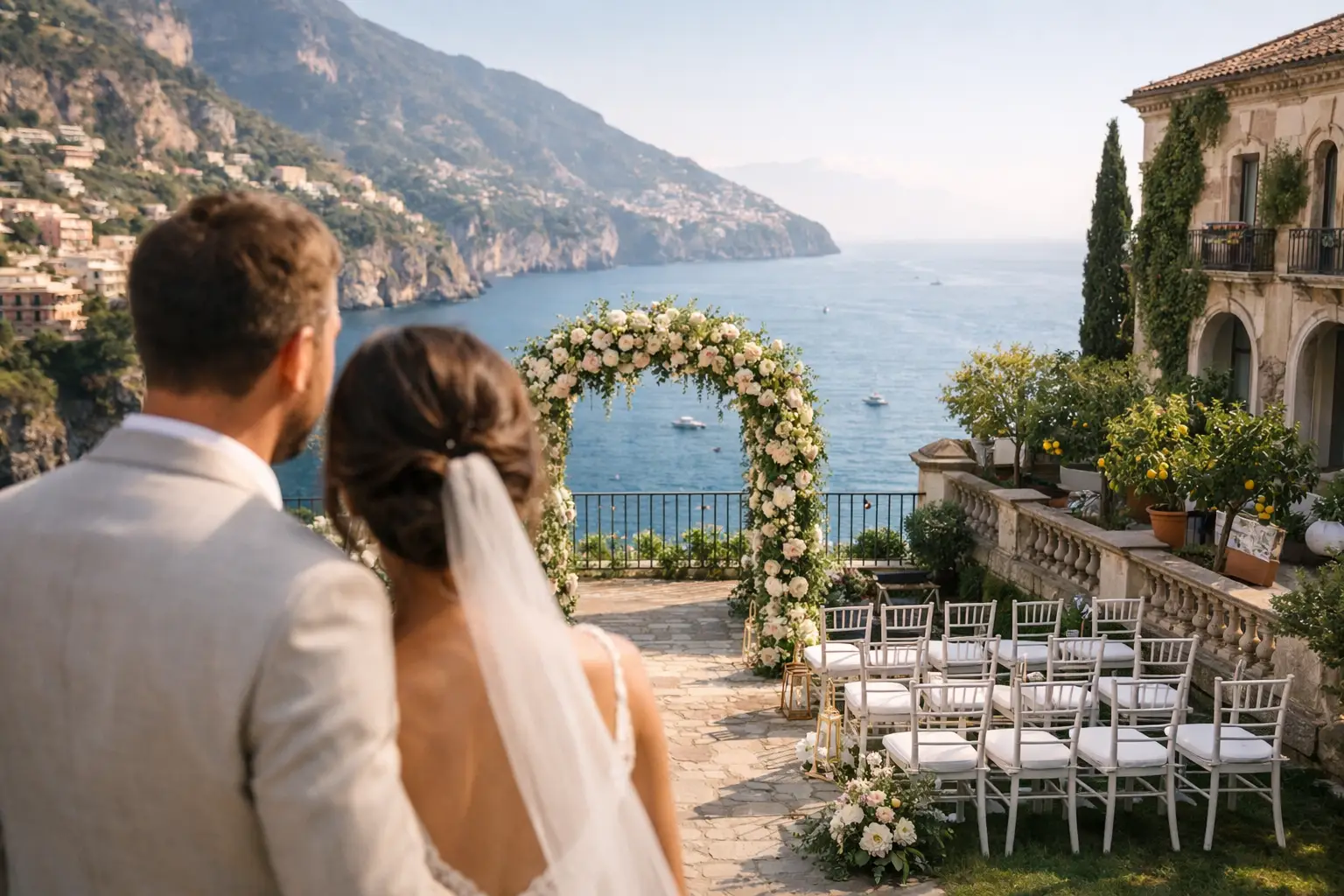
A wedding in Italy can begin with a terrace overlooking Lake Como, a candlelit dinner among Tuscan vines, or a restored palazzo in a city guests have dreamed of seeing. But destination weddings in italy ask couples to make more than a beautiful venue choice. They require thoughtful timing, clear guest communication, trusted local partners, and a plan that leaves room to enjoy the reason everyone has traveled so far.

For couples who value a celebration that feels personal rather than packaged, Italy offers remarkable range. The right approach is not to do everything at once. It is to make a few confident decisions early, then build an experience around the people, pace, and setting that matter most.

Start With the Experience You Want Guests to Have

The most successful Italian weddings are designed around a feeling. Perhaps you want an intimate long-table dinner where 30 loved ones stay together for a long weekend. Maybe you picture a grand celebration with formal attire, private transportation, and a historic estate all to yourselves. Or perhaps the wedding is the centerpiece of a relaxed coastal escape, with time for beach clubs, boat outings, and unhurried meals.

That vision should guide every decision that follows, including region, venue, guest count, and budget. A cliffside wedding on the Amalfi Coast may be spectacular, but it can involve steep terrain, smaller roads, and more complicated transfers. Tuscany often offers space, privacy, and a natural rhythm for multi-day events, while Rome and Florence are excellent for couples who want culture, architecture, and easy access to major airports.

Italy is not one wedding destination. Each region has its own character, travel realities, and seasonal rhythm. A well-matched location feels effortless because it supports the celebration you actually want to host.

Choosing the Right Italian Setting

Tuscany for relaxed elegance

Tuscany is a natural fit for couples who want countryside beauty without sacrificing polish. Villas, vineyards, and estates create an easy backdrop for welcome dinners, outdoor ceremonies, and farewell brunches. It is especially appealing for groups that want to spend time together rather than move constantly between activities.

The trade-off is that many properties are outside city centers. Guests may need coordinated airport transfers, shuttles between hotels and venues, and clear guidance on rental cars. These details are manageable, but they should be organized from the beginning rather than added in the final weeks.

Lake Como for refined celebration

Lake Como brings dramatic scenery and a distinctly glamorous atmosphere. Historic villas, lake views, and private boat arrivals create a sense of occasion without requiring much additional décor. It is often best suited to couples who want a highly curated event and are comfortable investing in premium venues and guest experiences.

Availability can be limited, particularly in peak season, and accommodations in the most desirable towns book quickly. A strong plan may include room blocks or a selection of recommended hotels at different price points, along with private boat and ground transportation options.

The Amalfi Coast, Puglia, and Sicily for character

The Amalfi Coast is ideal for couples drawn to vibrant coastal scenery, but its logistics require patience and precision. Puglia offers masserias, olive groves, and a more relaxed southern Italian setting, often with excellent value compared with the country’s most famous regions. Sicily delivers history, distinctive cuisine, and dramatic landscapes for couples who want guests to feel they have truly traveled somewhere special.

Each can be extraordinary. The best choice depends on how much movement your group can comfortably manage, whether guests are extending their stay, and how central accessibility is to your plans.

Plan Around Italy’s Seasons, Not Just Its Scenery

May, June, September, and early October are popular for good reason: temperatures are generally pleasant, landscapes are beautiful, and outdoor celebrations are possible. They are also high-demand periods, which can mean greater competition for top venues, accommodations, and event teams.

July and August bring long daylight hours and a festive energy, especially in coastal destinations. They can also bring intense heat, higher travel costs, and busy holiday periods. For an outdoor ceremony, late afternoon or early evening is often far more comfortable than midday. A thoughtful weather plan is a sign of good hosting, not a compromise on style.

Spring and fall may offer more flexibility, but weather varies by region. Northern lakes can feel cooler, while southern destinations may remain warm well into autumn. Your venue should have a genuinely appealing backup option, whether that is an indoor salon, covered terrace, or tented space that still feels connected to the setting.

Give Guests a Clear, Comfortable Path

A destination wedding is also a group trip. Guests will appreciate a beautifully designed weekend, but they will remember how easy it was to participate. This is where a polished travel plan makes a meaningful difference.

Share dates and the general destination as early as possible, ideally before formal invitations. International flights, passport renewals, family schedules, and work calendars all take time. Once guests are ready to book, provide practical details: the most convenient airport, recommended arrival window, hotel options, transportation expectations, and attire guidance suited to the climate and terrain.

It is equally helpful to set the right tone. Not every hour needs an organized activity. A welcome gathering, the wedding day, and a farewell brunch may be enough for some groups. Others will enjoy optional wine tastings, private tours, cooking experiences, or a day on the water. The goal is not a packed itinerary. It is to give guests choices while making the essential moments simple.

For a wedding party, elderly relatives, or families with children, travel coordination becomes even more important. A single point of contact who can manage transfers, rooming details, special requests, and last-minute changes provides genuine peace of mind for everyone involved.

Budget for the Full Experience

The venue fee is only one part of the investment. For destination weddings in Italy, the complete budget often includes accommodations, transportation, welcome and farewell events, local planning support, vendor travel, rentals, floral design, music, photography, and contingency plans for weather.

It also helps to consider what you want to host for guests. Some couples cover one or two group meals and let guests choose their own accommodations and flights. Others arrange a private villa or hotel buyout for an immersive, all-together experience. Neither approach is inherently better. The right choice reflects your guest list, priorities, and desired level of hospitality.

Local vendor relationships can protect both your time and budget. An experienced team understands service styles, seasonal pricing, venue restrictions, payment schedules, and the practical differences between a beautiful idea and one that can be executed smoothly on site. It also helps to reserve a contingency amount. International events can bring changes in guest counts, exchange rates, and transportation needs.

Make the Legal Details Feel Manageable

Many U.S. couples choose to complete the legal marriage process at home, then hold a symbolic ceremony in Italy. This can simplify paperwork while preserving every meaningful part of the celebration. Others prefer a legally recognized Italian ceremony, which may involve specific documents, translations, appointments, and timing requirements.

There is no less-romantic option here. The best path is the one that lets you be present on your wedding day. Decide early, confirm requirements based on your circumstances, and work with professionals who can explain the process clearly. Administrative details should never become the story of your celebration.

Let the Details Serve the Moment

Italy already offers extraordinary beauty, which means couples can often focus their investment on hospitality rather than overproduction. A memorable menu, thoughtful wine pairings, a musician during aperitivo, and transportation that gets everyone home comfortably can have more impact than adding décor simply to fill a space.

At Alux Travel, we believe luxury is often felt in the details guests do not have to think about: the right flight guidance, a welcoming hotel, luggage handled after a long journey, and a clear plan when schedules shift. Those details give couples the freedom to be hosts, not managers.

Your wedding should feel like an invitation into a place you love. Choose the Italian setting that fits your story, build in enough support for every guest to travel with confidence, and leave room for the moments that cannot be scheduled: a late dinner, a shared toast, and the quiet joy of seeing your favorite people gathered somewhere unforgettable.
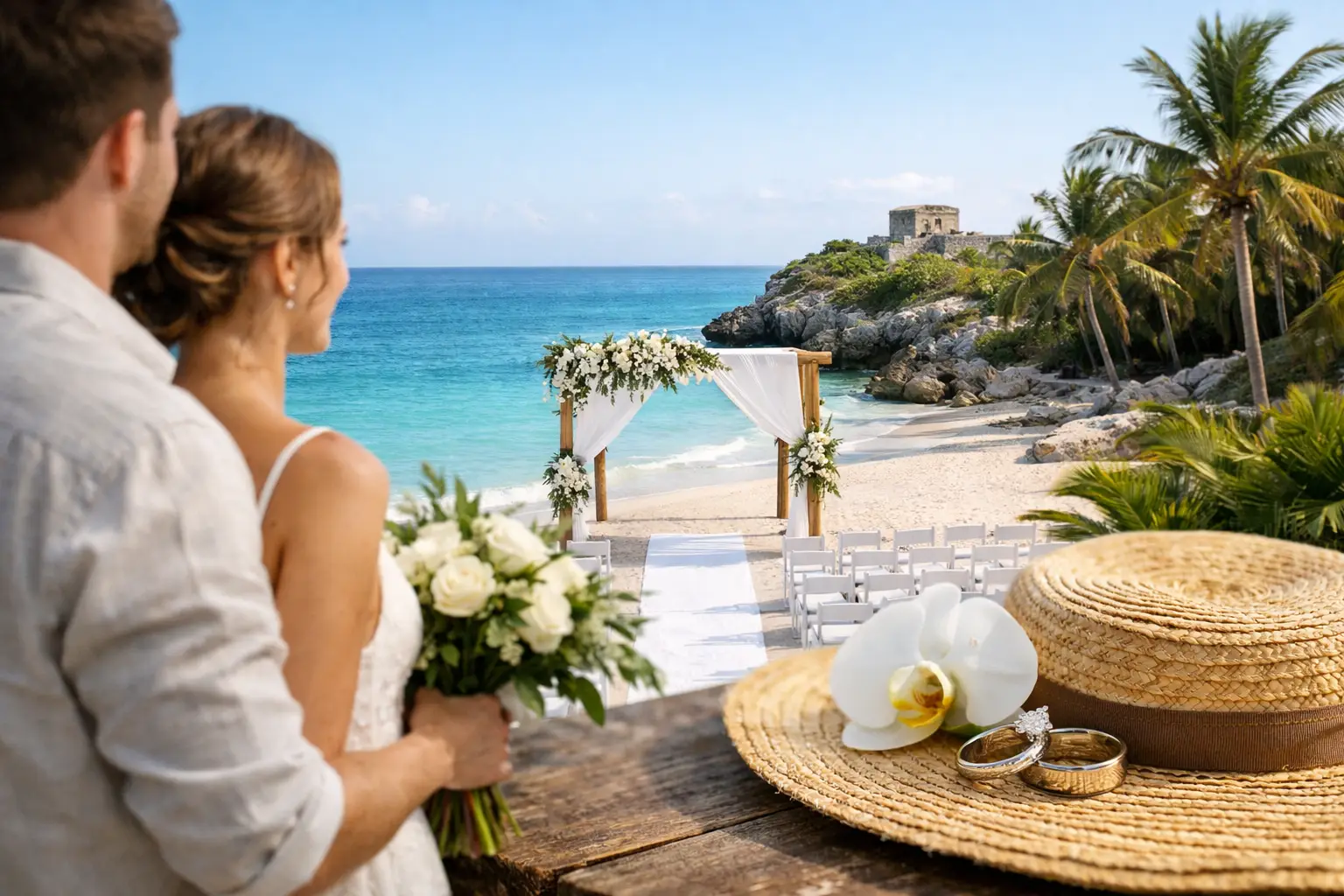
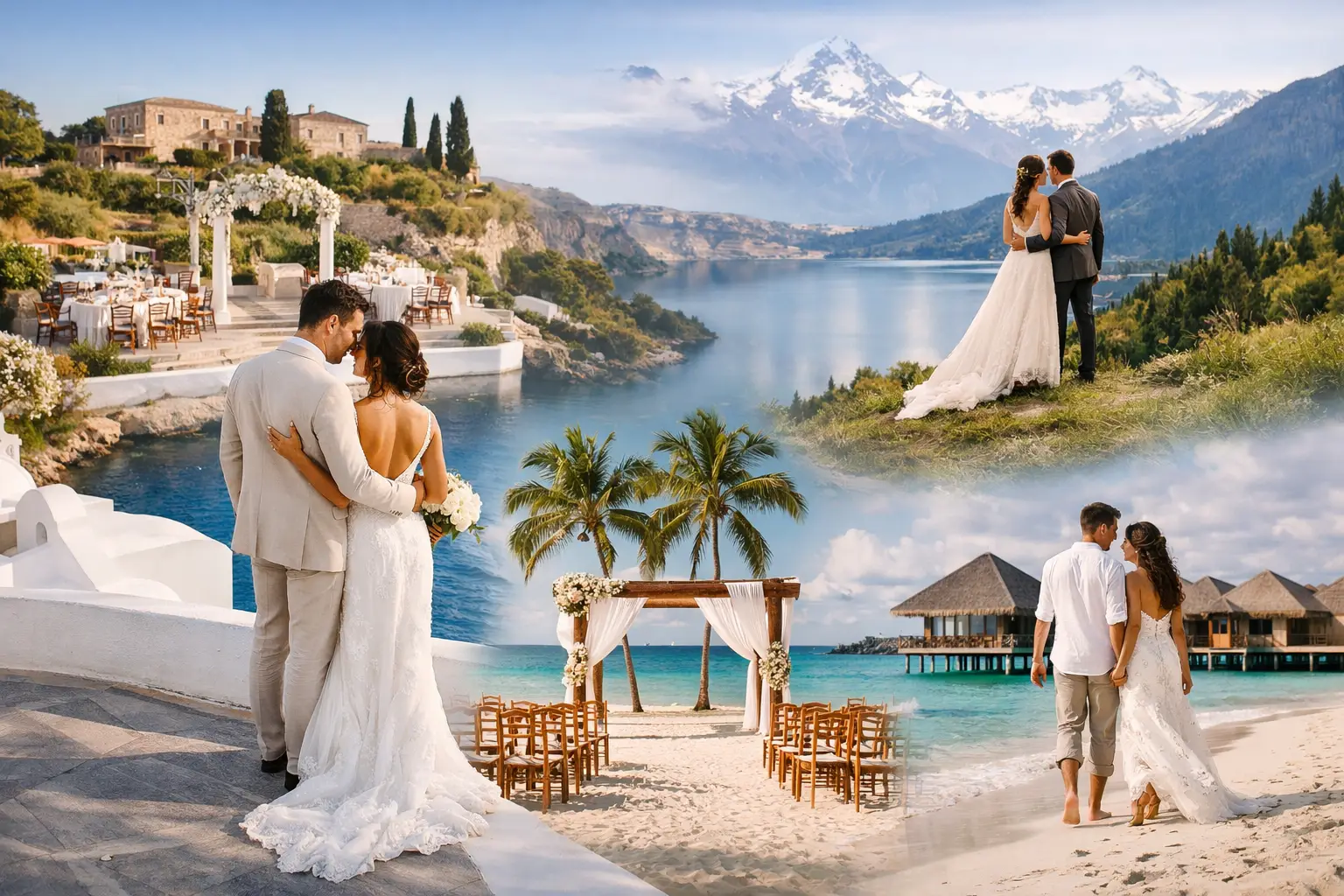
Destination Weddings in Mexico, Planned With Ease

A sunset ceremony on the Riviera Maya can look effortless in photographs. What guests do not see is the work behind it: coordinating airport arrivals across several flights, choosing a resort that suits both grandparents and late-night dancers, and making sure the welcome celebration feels as considered as the vows. Destination weddings in Mexico are extraordinary because they combine a meaningful milestone with a true shared escape. They also deserve planning that protects the experience from becoming a second full-time job.

Mexico offers remarkable variety, from the dramatic coastline of Los Cabos to the soft Caribbean water of Cancun and the Riviera Maya, the bohemian energy of Tulum, and the refined streets of San Miguel de Allende. The right choice is less about finding the most photographed setting and more about creating a wedding week that feels designed around you and comfortable for the people you love.

Why Mexico works so well for a wedding celebration

For US couples, Mexico offers an appealing balance of proximity, beautiful accommodations, and a wide range of event styles. Many destinations are reachable with direct flights from major US cities, making a long weekend possible for guests who cannot take an extended vacation. For couples, that accessibility can make the difference between a small, intimate gathering and having their full circle present.

The country also supports very different definitions of luxury. A couple may want a private villa overlooking the Pacific, a full-service all-inclusive resort where guests can relax without tracking every meal expense, or a boutique property with a more tailored atmosphere. None is inherently better. The best fit depends on your guest list, preferred pace, budget, and the kind of hospitality you want to offer.

There is also a practical advantage to keeping the celebration in one destination. A resort or carefully selected hotel can serve as home base for welcome drinks, the wedding day, downtime by the pool, and a farewell brunch. Guests spend less time in transit, and the entire trip feels connected rather than over-scheduled.

Choosing the right region for destination weddings in Mexico

Los Cabos for polished Pacific drama

Los Cabos is a natural fit for couples who want desert landscapes, ocean views, elevated resorts, and a sophisticated atmosphere. It is especially appealing for groups coming from the West Coast and for celebrations where golf, private dining, spa time, or a yacht outing may be part of the itinerary.

The trade-off is that the water is not always ideal for swimming, depending on the beach and season. Cabo can also feel more resort-focused and more expensive than other Mexican destinations. For the right couple, those factors are part of its appeal: the experience is striking, curated, and distinctly celebratory.

Cancun and Riviera Maya for choice and convenience

Cancun and the Riviera Maya offer an exceptional range of all-inclusive and luxury resort options, along with straightforward airport access. These areas work well for larger guest lists and multi-generational groups because there are properties at different price points, abundant room inventory, and plenty to do beyond the wedding itself.

The Riviera Maya tends to suit couples seeking a more relaxed, nature-forward setting, while Cancun can be an excellent option for guests who value convenience and a livelier scene. Seaweed conditions can vary seasonally along the Caribbean coast, so beach priorities should be discussed early rather than assumed.

Tulum for a more intimate, design-led feel

Tulum appeals to couples drawn to intimate gatherings, wellness, exceptional dining, and a more editorial visual style. It can be deeply memorable, particularly for a smaller group that appreciates boutique hotels and an unhurried itinerary.

It also requires thoughtful logistics. The area is more spread out than a traditional resort zone, roads can be busy, and guests may need more guidance around transportation. A well-organized plan is what allows Tulum to feel relaxed instead of complicated.

San Miguel de Allende for a celebration beyond the beach

For couples who do not picture a toes-in-the-sand ceremony, San Miguel de Allende offers colonial architecture, rooftop views, historic venues, and an unmistakable sense of place. It is a beautiful choice for food- and culture-minded groups, particularly during temperate months.

Because it is inland, travel arrangements often involve a drive from a nearby airport. That added step is manageable, but it should be clearly communicated and coordinated so guests arrive feeling welcomed, not worn out.

Begin with the guest experience, not the venue photo

A beautiful ceremony site matters. Yet the guest experience usually shapes the lasting impression of a destination wedding. Before selecting a property, consider who is traveling and what will help them feel cared for. Are there young children, older relatives, first-time international travelers, or friends arriving from different parts of the country? Does your group want a quiet retreat, or a property with nightlife and activities close at hand?

Room blocks deserve the same attention as the event design. A resort may have the ideal terrace, but a limited number of rooms in the right categories can create unnecessary pressure for guests. The same is true of payment schedules, minimum stay requirements, airport distance, and accessibility. These are not glamorous details, but they are the details that support peace of mind.

A skilled travel advisor can help evaluate the full picture: venue options, contract terms, room inventory, guest communications, airport transfers, and the experiences that surround the ceremony. With Alux Travel, this kind of coordination is approached as one connected journey, so couples can make informed decisions without carrying every moving piece themselves.

Build a wedding weekend with room to breathe

The most successful itineraries do not try to entertain every guest every hour. They offer thoughtful touchpoints and leave room for each person to enjoy the destination in their own way. A welcome gathering gives everyone an easy first connection. The wedding day remains the centerpiece. A casual farewell breakfast, beach gathering, or group excursion can provide a warm final moment without turning the schedule into an obligation.

Consider reserving high-demand experiences in advance for guests who want them, such as spa appointments, golf tee times, private snorkeling, or a chef-led dinner. At the same time, make optional activities clearly optional. A destination wedding should feel generous, not prescriptive.

Transportation is another quiet marker of a polished experience. Clear arrival instructions, reliable airport transfers, and a plan for getting guests to off-property events remove uncertainty at the moments when people are most likely to need help. Small details, such as sharing local weather guidance and wedding-week attire suggestions, can make guests feel looked after before they even board the plane.

Plan for weather, paperwork, and realistic timing

Mexico can be wonderful year-round, but no destination is free of seasonal considerations. Hurricane season generally affects the Caribbean and Pacific coasts from late summer into fall, while heat and humidity can be intense in some regions during summer months. A shoulder-season date may offer strong value and pleasant weather, but it can also require more flexibility around rain plans.

Outdoor celebrations should always have a credible backup option. This does not mean settling for a less beautiful space. It means choosing a property that can move gracefully from an open-air ceremony to a covered terrace or ballroom if conditions change. Ask to see the backup plan early, including how it will be styled, lit, and communicated to guests.

Couples should also decide whether they want a legal ceremony in Mexico or a symbolic ceremony there after completing legal paperwork at home. Requirements can differ by location and may involve translations, tests, witnesses, or timing restrictions. Many couples choose to handle the legal portion in the US and keep the Mexico ceremony entirely focused on the celebration. It is a personal decision, but one that is easier when made well ahead of travel.

Give your budget room for the full experience

The wedding package is only one part of the investment. A realistic budget considers hosted events, décor upgrades, photography, entertainment, hair and makeup, vendor travel, welcome gifts, private transfers, and contingency plans. Depending on the property, there may also be outside vendor fees or required minimums for food and beverage.

This does not mean every wedding needs to be extravagant. It means deciding where the experience matters most to you. Some couples invest in a private reception and simplify décor. Others choose a more inclusive resort structure so guests have a relaxed, easy stay, then focus their budget on meaningful event details. Priorities create a celebration that feels personal rather than simply expensive.

The goal is not to orchestrate a perfect vacation for every person. It is to create a setting where the people closest to you can arrive with confidence, settle in easily, and be fully present when it matters most. When travel is thoughtfully handled, the celebration has room to feel exactly as it should: joyful, personal, and wonderfully unhurried.

12 Best Destination Weddings Locations to Consider

A destination wedding should feel like a celebration from the moment guests receive the invitation, not a complicated travel assignment. The best destination weddings locations pair a setting worthy of the occasion with reliable airlift, thoughtful accommodations, and enough experiences to make the trip feel meaningful for everyone who says yes.

The right choice is rarely just the most photogenic beach or the villa with the best view. It depends on your guest list, your desired level of privacy, the time of year, and how much coordination you want to place in experienced hands. These destinations offer distinct advantages for couples who want a beautiful wedding weekend designed around them.

What Makes a Destination Wedding Location Exceptional?

For most couples, the most successful destination is one that balances a sense of escape with ease. A direct flight may matter more than a dramatic but difficult-to-reach setting when grandparents, young children, or friends with limited time are on the guest list. A resort may offer reassuring simplicity, while a private estate can deliver a more tailored atmosphere but requires more moving parts.

Weather is equally important. Hurricane season, winter winds, summer heat, and regional event calendars can shape both pricing and the guest experience. The most polished celebrations are planned with these realities in mind, leaving room for a well-considered backup plan without compromising the feeling of the day.

Best Destination Weddings Locations for Every Style

1. Riviera Maya, Mexico

Riviera Maya remains a favorite for good reason. It offers turquoise water, sophisticated beachfront resorts, strong flight access from many US cities, and a range of venue styles from intimate toes-in-the-sand ceremonies to contemporary rooftops and jungle settings.

For couples with a larger guest count, the region is especially practical. All-inclusive resorts can simplify food, beverage, room blocks, and group activities, while luxury properties deliver a more private, elevated experience. The trade-off is popularity: the most desirable dates and venues book early, particularly from January through April.

2. Los Cabos, Mexico

Los Cabos has a different energy than Mexico’s Caribbean coast. Here, desert landscapes meet the Pacific, with dramatic rock formations, refined resorts, and a polished dining scene. It is a natural fit for couples who prefer architectural design, warm evenings, and a wedding aesthetic that feels modern rather than tropical.

Cabo is also excellent for a long weekend built around golf, boating, spa time, and memorable group dinners. Beach conditions can be less suited to swimming at some properties, so it is wise to choose a resort based on the experience you want beyond the shoreline.

3. Maui, Hawaii

Maui offers the ease of a domestic destination while still feeling far removed from everyday life. Lush mountains, black-sand beaches, golden sunsets, and exceptional resorts create a romantic setting for couples who want natural beauty without passports or international travel requirements for guests.

The island is particularly appealing for smaller weddings and multigenerational groups. Guests can enjoy a relaxed beach day, a scenic drive, or a guided adventure without needing an elaborate itinerary. Costs can be higher than in Mexico or the Caribbean, and advance planning matters, especially for accommodations and dining reservations.

4. St. Lucia

With the Pitons rising above the sea, St. Lucia offers one of the Caribbean’s most distinctive backdrops. It feels lush, romantic, and wonderfully intimate, making it ideal for couples who want their wedding to feel like a true retreat.

This is a strong choice for a smaller group willing to travel for a more immersive setting. The island’s winding roads and varied terrain make careful transportation planning essential, particularly if guests are staying at more than one resort. A well-organized itinerary helps everyone settle in and enjoy the experience.

5. Turks and Caicos

Turks and Caicos is known for clear water, powder-soft beaches, and a calm, understated luxury that suits a relaxed but beautifully executed celebration. Grace Bay is especially attractive for couples envisioning an elegant beachfront ceremony followed by a private dinner under the stars.

The destination works beautifully for guests who want downtime as much as activities. Its quieter pace is part of the appeal, although it also means fewer venue options than larger Caribbean islands. For the right group, that selectivity creates a more exclusive feel.

6. Jamaica

Jamaica brings warmth, energy, and a strong sense of place. From refined resorts in Montego Bay to the cliffs and sunsets of Negril, it offers a range of wedding styles and a welcoming atmosphere for groups that want to celebrate fully.

It is particularly well suited to couples who want their wedding weekend to include music, local flavor, and an easygoing social rhythm. Resorts can make logistics very manageable, though each area has its own personality. Selecting the right region is as important as selecting the right property.

7. Punta Cana, Dominican Republic

Punta Cana is a practical, polished choice for couples hosting a larger group. Its broad selection of all-inclusive resorts, competitive value, and convenient flights make it one of the more accessible Caribbean options for guests traveling from across the United States.

The key is choosing thoughtfully. Resort quality, beach conditions, dining, and wedding services can vary considerably, so a recommendation should reflect your priorities rather than a one-size-fits-all package. For a lively group that wants convenience without sacrificing a beautiful setting, Punta Cana can be an excellent fit.

8. Costa Rica

Costa Rica is for couples who want their wedding to feel connected to nature. Rainforest, volcanic landscapes, secluded beaches, and abundant wildlife create a setting that is more adventurous than a traditional resort destination.

It is especially compelling for guests who enjoy active days, whether that means zip-lining, surfing, hiking, or simply spending time outdoors. The dry season generally offers the easiest conditions for weddings, while the green season brings richer scenery and a greater chance of rain. Venue location matters greatly, as travel times between airports and properties can be longer than expected.

9. Amalfi Coast, Italy

For couples drawn to timeless romance, the Amalfi Coast delivers cinematic views, historic towns, and an exceptional food and wine experience. A celebration here can feel deeply personal, with welcome dinners, leisurely lunches, and private boat outings becoming part of the wedding story.

Italy requires more advance planning than a resort-based Caribbean wedding, particularly for legalities, transportation, and venue access. A symbolic ceremony is often the simpler route for US couples. The result, however, can be a highly individualized celebration with a remarkable sense of place.

10. Tuscany, Italy

Tuscany is a natural choice for couples who picture an estate wedding surrounded by vineyards, olive groves, and softly rolling hills. It is elegant without feeling formal, and it offers a wonderful framework for a multi-day celebration centered on meals, wine, and time together.

This destination is best for guests who appreciate a slower pace and are willing to make a longer journey. A countryside villa may offer privacy and character, but it also calls for detailed transportation, rooming, and event coordination. Those details are what allow the weekend to feel effortless rather than improvised.

11. Santorini, Greece

Santorini’s whitewashed architecture, volcanic cliffs, and Aegean views make it one of the most recognizable wedding settings in the world. It is ideal for an intimate guest list and a couple who wants a striking visual experience from ceremony through sunset reception.

Its beauty comes with constraints. Many venues have limited capacity, cliffside pathways can be challenging, and peak summer crowds affect availability. Planning in late spring or early fall can offer a more comfortable experience while preserving the island’s signature atmosphere.

12. Napa Valley, California

Napa Valley delivers destination appeal without international logistics. Vineyards, acclaimed restaurants, and sophisticated boutique hotels make it a strong option for food-and-wine-focused couples and guests who value a refined domestic getaway.

It works well for a smaller celebration where every detail can be intentional, from a private estate dinner to a farewell brunch at a winery. Autumn is highly sought after, but spring and early summer can provide beautiful conditions with somewhat more flexibility. Local regulations and venue restrictions deserve early attention.

Choosing Between a Resort, Villa, and Private Venue

A resort wedding is often the easiest option for groups because accommodations, meals, event spaces, and activities are in one place. It is a particularly reassuring choice when guests have varied budgets or limited time. A villa or private estate gives you more freedom to personalize the setting, menu, and pace of the weekend, but it typically requires more vendor coordination and transportation planning.

The best choice comes down to how you want guests to feel. If you want everyone together with minimal decision-making, a well-matched resort may be ideal. If you want the wedding to unfold like a private house party in an extraordinary setting, an estate can be worth the added planning.

Plan Around the Guest Experience, Not Just the Ceremony

The ceremony may last 30 minutes, but the travel experience begins long before guests take their seats. Clear booking guidance, coordinated airport transfers, room options, welcome events, and realistic expectations about weather and travel time all shape how supported people feel.

That is where a dedicated travel advisor adds meaningful peace of mind. At Alux Travel, destination wedding travel is managed with the full guest journey in view, from selecting a location that suits your group to coordinating the details that keep everyone informed and cared for.

Choose the place that gives you the feeling you want to remember, then build the planning around making it easy for the people you love to be there with you.

Destination Weddings All Inclusive Made Personal

A welcome dinner on the beach, a ceremony framed by the Caribbean, dinner under the stars, and guests who can simply enjoy the celebration – destination weddings all inclusive can make that vision feel far more attainable. The appeal is not only the setting. It is the relief of having many major wedding and travel details organized through one resort partner and one considered plan.

Still, “all inclusive” is not the same as “everything is included.” The most successful celebrations begin with a clear understanding of what a resort package covers, where personalization matters, and how to create an experience that feels generous to guests without asking you to manage every moving part from afar.

What Destination Weddings All Inclusive Usually Include

At its best, an all-inclusive destination wedding brings accommodations, dining, drinks, ceremony essentials, and guest activities into a more predictable structure. Rather than asking loved ones to separately research restaurants, transportation, and entertainment, you give them a well-designed home base where much of the trip is already handled.

Most resorts include guest meals, standard beverages, resort amenities, and a selection of activities in their nightly rate. Wedding packages may add a ceremony location, officiant or symbolic ceremony, basic floral arrangements, a cake, sparkling wine, chairs, audio equipment, and a private reception or dinner reservation. The precise details vary substantially by resort, room category, destination, and package tier.

That variability is where thoughtful planning matters. A package may technically include a wedding cake, for example, but not the design, size, or dessert display you have in mind. A private reception may include a set menu and standard bar, while specialty cocktails, upgraded wines, extended music, custom lighting, and late-night food are additional. None of this is a reason to avoid an all-inclusive resort. It is simply why couples should compare the full celebration experience, not just the starting package price.

Why This Format Works So Well for Guests

A destination wedding asks guests to invest their time, budget, and vacation days. An all-inclusive setting can make that investment feel more comfortable because the day-to-day cost of the trip is easier to anticipate. Once they arrive, guests are not calculating the cost of every meal or deciding where the group should go next.

It also creates natural time together. Friends may gather at breakfast before a pool day, families can linger after dinner, and the wedding weekend gains a relaxed rhythm that is difficult to recreate with a single evening reception at home. Couples have more opportunities for meaningful conversations, spontaneous photos, and shared memories beyond the ceremony itself.

There is a trade-off. Resort life is ideal for guests who appreciate convenience and want to stay near the celebration, but it may feel less appealing to travelers who prefer independent dining and extensive exploration. The right choice depends on your group. For a multigenerational wedding party or a guest list with many first-time international travelers, the clarity and comfort of an all-inclusive resort are often especially valuable.

Start With the Guest Experience, Not the Package

The most beautiful resort is not automatically the best fit. Before choosing a destination, consider who will be traveling with you and what will help them feel at ease. A direct-flight destination may be worth prioritizing over a more remote island. A resort with accessible pathways, varied dining, family-friendly pools, and evening entertainment may serve a broad guest list better than an adults-only property with a quieter atmosphere.

Think about the length of stay, too. A three-night celebration can work well for a nearby destination with frequent flights. For a longer journey, four or five nights often gives guests time to settle in and enjoy the resort without feeling as though they have traveled for only one event.

Your wedding style should guide the property selection. Some resorts excel at intimate, refined celebrations with a limited number of guests. Others are built for lively groups, with larger event spaces and multiple venues for welcome parties, rehearsal dinners, ceremonies, and receptions. A skilled advisor can help distinguish between a resort that photographs beautifully and one that can genuinely deliver the experience you want.

The questions that protect your budget

A resort proposal should be read as a working plan, not a final promise. Ask what is included in the wedding package, what requires a minimum guest count, and which taxes, service charges, and vendor fees apply. Also confirm whether outside vendors are permitted and, if they are, whether the resort charges an access fee.

It is equally wise to clarify the terms around room blocks. Some resorts offer contracted group rates with complimentary rooms, upgrades, or event credits based on the number of rooms booked. Others use a more flexible model that allows guests to reserve individually. One approach is not inherently better. A contracted block can offer stronger benefits, while an individual booking model may give guests more freedom. The right decision depends on your group’s booking habits and your comfort with financial commitments.

Airfare, airport transfers, private events, upgraded decor, photography, beauty services, entertainment, and legal paperwork can all sit outside the headline package. Planning for these costs early keeps the conversation focused on choices rather than surprises.

Personalization Is Where the Celebration Becomes Yours

An all-inclusive wedding does not need to look or feel standardized. The resort provides the foundation; your choices provide the character. A welcome event with local music, a carefully selected menu, thoughtful room gifts, a sunset catamaran outing, or a farewell brunch can make a familiar resort setting feel distinctly personal.

Choose a few details that matter most rather than trying to customize every surface. For some couples, that means investing in photography and florals. For others, it is a private reception with a memorable meal, a live band, or a curated excursion for the wedding party. A focused design budget usually creates a stronger result than scattering upgrades across dozens of small decisions.

Your ceremony time deserves particular care. A late-afternoon ceremony often offers softer light and a more comfortable temperature, but the timing must account for hair and makeup, transportation, family photos, sunset, dinner service, and any local restrictions. Resort wedding teams know their venues well, while a dedicated travel and planning advisor keeps the broader guest journey in view.

At Alux Travel, that means helping couples bring together the resort, room strategy, guest communications, travel logistics, and celebration details in a way that feels composed from the first invitation through the trip home.

Choose Legal or Symbolic With Intention

Many couples legally marry at home and hold a symbolic ceremony at the resort. This option can simplify documentation and allow the ceremony to focus entirely on the moment. It can also offer greater flexibility with the person leading the ceremony, language, timing, and format.

A legal destination ceremony can be meaningful, but requirements vary by country and can include residency periods, certified documents, translations, witness rules, and local fees. If making the ceremony legal abroad is important to you, begin that conversation early and allow extra time for paperwork. A polished destination wedding should feel joyful, not like an international administrative project.

Give Your Guests a Clear, Gracious Path

Guests are more likely to respond confidently when they know the basics early: the resort, travel dates, room options, booking deadline, airport information, and what is included. Share the wedding schedule as it develops, but do not overwhelm people with every detail at once.

A simple cadence works well. Announce the destination and dates well in advance, provide booking guidance when rooms are available, then send practical travel notes closer to departure. Be clear about optional events and any expected attire. If families are attending, mention child-friendly features and childcare options where available.

The most considerate thing you can do is make it easy for guests to get help. A single knowledgeable point of contact can answer room, transfer, flight, and resort questions without turning the couple into a full-time travel desk.

A destination wedding is a rare chance to gather the people you love in a place chosen for joy. When the all-inclusive structure is paired with clear expectations and personal touches, you are free to spend less time coordinating and more time being fully present for the celebration.

10 Best Destination Weddings 2026 for Elevated Celebrations

A destination wedding should feel like a celebration from the moment guests receive the invitation, not a complicated group project spread across time zones. The best destination weddings 2026 has to offer pair a beautiful setting with reliable airlift, polished hospitality, and enough variety for every guest to feel considered.

For couples planning from the United States, the right destination is rarely just the most photogenic one. It is the place that fits your guest list, your desired pace, and the experience you want to share beyond the ceremony. A beachfront weekend may be ideal for a close-knit group, while a historic city or wine region can create a fuller, more layered celebration. The following destinations stand out for 2026, each with a distinct reason to say yes.

Best Destination Weddings 2026: 10 Exceptional Settings

1. Riviera Maya, Mexico

Riviera Maya remains a favorite for good reason: it offers easy access from many U.S. gateways, sophisticated resorts, and a wide range of wedding styles. Couples can choose an intimate toes-in-the-sand ceremony, a jungle-framed gathering near a cenote, or a formal reception at a design-forward resort.

The trade-off is popularity. Peak dates and the most sought-after private venues are claimed well ahead of time. A thoughtful plan should also account for warmer weather and seasonal seaweed conditions, particularly for celebrations centered on the beach. For an elevated experience, prioritize a resort with distinct event spaces and a strong culinary program rather than choosing solely by room count.

2. Cabo San Lucas, Mexico

For desert drama meeting the Pacific, Cabo is difficult to surpass. Its signature look is unmistakable: sculptural rock formations, warm evening light, private villas, and resorts that understand high-touch celebrations. It works especially well for couples who want a festive long weekend with excellent dining, yacht outings, golf, and restorative spa time built into the itinerary.

Cabo is more premium than some other Mexican beach destinations, and its terrain can create transportation considerations between resorts, restaurants, and off-site venues. That is precisely where detailed guest logistics matter. When transfers, welcome events, and departure timing are thoughtfully coordinated, the weekend feels effortless rather than fragmented.

3. St. Lucia

St. Lucia brings romance with dimension. The Pitons create a dramatic ceremony backdrop, while lush hillsides, quiet coves, and boutique resorts give the island a more intimate feel than a traditional large-scale beach destination. It is an especially strong choice for couples who want their wedding to double as a meaningful honeymoon setting.

The island is best suited to smaller and mid-sized groups, as venue capacity and transportation can be more limited than in a major resort corridor. Guests should also understand that travel may involve connections and winding roads. The reward is a setting that feels deeply personal, cinematic, and refreshingly removed from the ordinary.

4. The Bahamas

The Bahamas offers a close-to-home escape without sacrificing a sense of occasion. Direct flights, clear water, and a mix of private-island, resort, and villa options make it practical for multigenerational groups or guests with limited time away. It also accommodates a range of wedding scales, from an elegant dinner for 25 to a larger celebration with a full weekend schedule.

Not every island offers the same infrastructure, so the venue decision should come before the vision becomes too fixed. Nassau and Paradise Island offer convenience and broad guest appeal, while Exuma and smaller islands deliver privacy and a more exclusive atmosphere. The best choice depends on whether ease of access or seclusion is your priority.

5. Tuscany, Italy

Tuscany is made for couples who envision a wedding with a sense of place: sunlit stone villas, vineyard tables, long dinners, and a setting that asks guests to slow down. It is less about a single ceremony moment and more about the entire rhythm of the celebration. A welcome aperitivo, a cooking experience, and a farewell brunch can feel as memorable as the wedding day itself.

This is not the simplest option for every group. International travel, regional transfers, and venue regulations require early planning, especially for celebrations involving music, late-night events, or multiple vendors. Yet for couples who value food, wine, and a beautifully paced guest experience, Tuscany delivers an enduring kind of luxury.

6. Lake Como, Italy

Lake Como has an effortless grandeur that suits formal celebrations and intimate gatherings alike. Grand villas, manicured gardens, classic boats, and mountain-ringed water create an atmosphere that needs little embellishment. It is ideal for couples who want a black-tie feel without the stiffness of a ballroom wedding.

Its most desirable venues have limited availability, and event budgets can rise quickly once exclusive use, boat transportation, and Italian production requirements are included. Dates outside the peak summer window can offer more flexibility while preserving the destination’s appeal. A well-designed itinerary also helps guests make the most of their journey through Milan, the lake, and nearby northern Italian towns.

7. The French Riviera

The French Riviera is polished, sun-drenched, and particularly suited to couples who want a celebration with fashion, food, and Riviera glamour. From private villas near Saint-Jean-Cap-Ferrat to countryside estates above Nice, the region offers extraordinary variety within a relatively compact area.

It is a strong fit for guests who appreciate a refined social calendar: a welcome dinner overlooking the sea, a beach club afternoon, a market visit, and a reception that carries on late into the night. Because summer demand is intense, couples should be realistic about cost and book key elements early. Spring and early fall often offer a more relaxed experience with beautiful weather.

8. Lisbon and the Portuguese Coast

Portugal continues to earn attention for its welcoming hospitality, excellent cuisine, and appealing value relative to other Western European wedding destinations. Lisbon offers colorful streets, historic venues, and a lively dining scene, while nearby coastal towns provide ocean views and resort-style relaxation.

This is a particularly smart choice for couples with guests who want a destination that is culturally rich but not overly formal. A city-based celebration can be paired with a coastal day trip or a few relaxed nights in Comporta or Cascais. The key is choosing one primary home base so the weekend remains easy to navigate.

9. Maui, Hawaii

Maui offers the ease of a U.S. destination with the emotional lift of a faraway celebration. Lush landscapes, exceptional resorts, and a deeply rooted sense of place create a wedding weekend that can be as restful or active as the couple prefers. It is ideal for groups who value beach time, meaningful cultural experiences, and outdoor beauty.

Respectful planning matters here. Choose partners who operate with care for the island, avoid treating the destination as a backdrop alone, and build an itinerary that supports local businesses. Travel time can be substantial for East Coast guests, so a three- or four-night stay is often more rewarding than a compressed weekend.

10. Costa Rica

Costa Rica is for couples who want their celebration to feel alive with nature. Think rainforest views, volcanic landscapes, secluded beaches, and a welcome party that feels more adventurous than traditional. It is a natural fit for groups that will enjoy surfing, wildlife experiences, wellness rituals, and open-air dining.

The country’s beauty comes with logistical nuance. Driving distances can be longer than expected, and weather patterns vary significantly by region. Selecting a venue with accommodations on-site or nearby helps preserve the relaxed energy couples come for. For the right group, Costa Rica feels both luxurious and genuinely transportive.

How to Choose Your 2026 Wedding Destination

Start with the guest experience, not a social media image. Consider how many people are likely to attend, how far they can comfortably travel, and whether you want the destination to feel like a weekend escape or a once-in-a-lifetime international journey. A smaller guest list may open the door to private villas and boutique resorts, while a larger group often benefits from a property with multiple room categories, on-site dining, and dependable event infrastructure.

Then consider seasonality with precision. The most beautiful destination can become less comfortable when weather, hurricane season, heat, or local holiday crowds are overlooked. Shoulder-season dates often offer a compelling balance of value, availability, and guest comfort, but every destination has its own calendar.

Finally, give the celebration enough time. Destination weddings work best when guests are not rushed from airport to ceremony. Even a simple welcome gathering and a relaxed farewell breakfast create connection and give everyone a reason to feel that the journey was worthwhile.

The Difference Is in the Details

A luxury destination wedding is not defined only by the venue. It is defined by the confidence that guests know where to be, how to get there, and whom to contact when plans shift. From room blocks and airport transfers to thoughtful itinerary pacing, the details create the calm behind the celebration.

Alux Travel designs destination wedding travel around the couple and the people they love, bringing clarity to the moving parts while protecting the joy of the experience. The right destination is the one that lets you be fully present when everyone has gathered to celebrate your next chapter.

Destination Wedding Packages 2026 Explained

A destination wedding should feel like the first chapter of a remarkable trip, not a second full-time job. Yet behind the oceanfront ceremony, private dinner, and welcome cocktails are room contracts, arrival schedules, vendor decisions, and the practical question every couple eventually asks: what does the package actually cover? The right destination wedding packages 2026 can bring structure to the celebration while leaving meaningful room for it to feel entirely your own.

For couples planning in 2026, the most appealing packages are less about checking off a preset list and more about creating a reliable foundation. They should make the essential pieces easier to manage, clarify costs early, and give you confidence that your guests will be well cared for from the moment they begin their journey.

What Destination Wedding Packages 2026 Usually Include

At resorts and venues, a wedding package typically bundles core ceremony and reception elements into one starting price. This often includes a ceremony location, an officiant or symbolic celebrant, basic floral arrangements, chairs and décor, a small cake, photography time, and a private reception or dinner reservation. Many properties also include coordination with an on-site wedding team, along with amenities for the couple such as a room upgrade, breakfast in bed, or a couples’ spa experience.

That foundation has real value. Rather than sourcing every item separately in an unfamiliar destination, you begin with professionals who know the property, local conditions, and event flow. It can also simplify communication between the resort, caterer, florist, and banquet staff.

Still, “included” is not the same as “unlimited.” A package may cover a modest bouquet, a set number of guests, a specific dinner menu, or a short reception window. Upgraded linens, premium spirits, live entertainment, specialty lighting, additional floral design, and extended photography are commonly priced separately. The package is a framework, not necessarily the final event design.

The Details Worth Clarifying Early

Ask for a complete inclusions list before comparing options. It should identify guest limits, ceremony and reception duration, menu choices, bar service, service charges, taxes, and any required local fees. If photography is included, ask how many hours are provided, whether the photographer is assigned by the resort, and how digital images will be delivered.

Also confirm what happens if weather changes the plan. A beautiful beach ceremony is compelling, but a polished rain plan matters just as much. The strongest venues offer a backup space that still feels intentional, rather than a last-minute compromise in a generic meeting room.

Choose the Experience Before the Package

A package can look generous on paper and still be wrong for your wedding. Start with the experience you want your guests to have. Do you picture a long weekend at an all-inclusive resort where everyone can relax without tracking every meal? A villa celebration with a private chef and a more intimate guest list? A European estate wedding with several events woven into the local setting?

Your answer shapes the destination, the ideal group size, and the style of package that will serve you best. All-inclusive resorts can offer exceptional value and simplicity for larger groups, especially when meals, drinks, activities, and transfers are coordinated in one place. They are often the easiest choice for guests who want a predictable budget and a low-friction vacation.

A boutique hotel or private villa can offer greater flexibility and a more distinctive atmosphere, though planning may involve more individual vendors and a higher level of coordination. This route is often ideal for couples who care deeply about custom menus, design details, and an unhurried, private feel.

Neither choice is automatically more luxurious. Luxury is often the feeling that every part of the experience has been considered: the welcome your guests receive, the ease of getting around, the quality of the food, and the freedom to be present on the wedding day.

Look Beyond the Per-Person Price

Destination wedding pricing is rarely as simple as one advertised number. The most transparent packages make it easy to see the base cost, but the total investment depends on the guest count, room category, event upgrades, and destination-specific requirements.

For example, a property may offer a complimentary ceremony package when a group reserves a certain number of rooms. That can be a meaningful benefit, but it does not mean every wedding expense disappears. Private receptions, upgraded décor, entertainment, vendor fees, and local taxes can still add substantially to the final figure.

It is also wise to consider the cost your guests will carry. A destination that is easy to reach, offers flights from several US gateways, and has accommodation options at more than one price point can improve attendance and reduce stress for everyone. Conversely, a remote location may be exactly right for a small, close-knit celebration, even if it is less convenient for a larger group.

A clear planning budget usually separates three categories: the wedding event itself, travel and accommodations for the couple, and the guest experience. The final category might include airport transfers, welcome gifts, a group excursion, a rehearsal dinner, or a farewell brunch. These moments are often what turn a wedding weekend into a shared memory.

Make Guest Logistics Part of the Design

Guests remember how a destination wedding made them feel long before they remember the color of the napkins. Thoughtful logistics create that ease. Reserve a room block early, communicate deadlines clearly, and give guests a realistic picture of travel time, weather, attire, and the rhythm of the weekend.

A well-managed group should have one dependable point of contact for booking questions, payment schedules, special requests, and changes along the way. This protects the couple from becoming the travel desk for every guest. It also makes it easier to keep the group together at the preferred property and ensure everyone has the right information before departure.

Build in breathing room, too. A welcome event on the first evening is lovely, but guests arriving on different flights may appreciate a flexible gathering instead of a formal dinner with a strict start time. Similarly, leave at least part of one day open for people to enjoy the destination in their own way. A destination wedding is a celebration, but it is also a vacation.

Consider Timing, Not Just the Date

In 2026, popular resorts and sought-after dates will continue to reward early planning. The best timing depends on your destination. Caribbean and Mexico weddings must account for hurricane season, while Mediterranean properties may be most enjoyable in late spring or early fall, when temperatures are comfortable and crowds are lighter. Mountain, desert, and tropical locations each have their own seasonal advantages and limitations.

Planning 12 to 18 months ahead gives you more room to secure preferred venues, negotiate group terms, and allow guests enough time to make travel arrangements. A shorter timeline can work beautifully for a smaller group or an off-peak date, but flexibility becomes essential.

Legal ceremony requirements deserve early attention as well. Some destinations require residency periods, translated documents, blood tests, or witnesses. Many couples choose to complete the legal marriage at home and hold a symbolic ceremony abroad. It is often simpler, and it allows the destination ceremony to focus entirely on the moment you are there to share.

When Customization Is Worth It

Not every celebration needs a fully custom production. If your priority is a refined ceremony, a memorable meal, and quality time with the people you love, a thoughtfully selected package with a few personal upgrades may be exactly right. Spend where guests will notice and where the detail matters most to you, whether that is exceptional food, a live band, elevated florals, or photography that captures the setting beautifully.

Customization becomes especially valuable when your group has varied needs, your event includes several venues or days of programming, or the details need to reflect a very specific vision. This is where experienced travel and wedding coordination can protect your time and investment. At Alux Travel, the focus is on pairing the right destination and property with a planning experience designed around you, so the logistics support the celebration rather than compete with it.

The best package is not the one with the longest list of inclusions. It is the one that gives you a beautiful starting point, clear expectations, and the peace of mind to look up, take in the view, and be fully present with the people who traveled there to celebrate you.

Destination Wedding Trends 2026 Worth Planning For

A destination wedding is no longer defined simply by a beautiful ceremony somewhere warm. The destination wedding trends 2026 couples are embracing place equal value on the experience around the vows: how guests arrive, where they gather, what feels personal, and whether the entire celebration can unfold without anyone chasing details. For couples with full lives and guests traveling from multiple cities, that level of care is becoming the true luxury.

The most compelling celebrations this year are intentional rather than overproduced. They use a destination’s character, local culture, and natural setting as part of the design, while leaving enough room for ease. Here is what that looks like in practice, along with the planning decisions that make it work.

Destination Wedding Trends 2026: More Time Together

The traditional one-day wedding format is giving way to multi-day celebrations with a gentler pace. Couples are inviting loved ones to arrive a day or two early for a welcome dinner, casual beach gathering, vineyard lunch, or private city tour. The wedding itself remains the centerpiece, but it is no longer the only meaningful moment.

This approach works especially well when guests are taking international flights or using vacation time to attend. A few thoughtfully planned touchpoints help travel feel worthwhile without filling every hour of the itinerary. The best balance is usually one hosted gathering per day, with clear recommendations for guests who want to explore independently.

Longer celebrations do require more coordination. Room blocks, airport transfers, dietary needs, activity reservations, and changing flight schedules become more complex as the guest list grows. A well-managed itinerary protects the relaxed feeling couples want by making the logistics nearly invisible to their guests.

Destinations With a Sense of Place

Rather than choosing a location solely for a dramatic backdrop, couples are choosing destinations that can tell a story. A coastal ceremony may be paired with a seafood-focused welcome dinner. A wedding in the Italian countryside might include a local olive oil tasting or a morning market visit. In Mexico or the Caribbean, locally inspired menus, music, and artisan details can add warmth without turning the celebration into a theme.

The key is restraint. One or two authentic, well-executed details often feel more elevated than a long list of destination references. A thoughtful setting also gives couples a natural design direction, which can simplify decisions about florals, color palette, menus, and events.

Accessibility still matters. A remote villa may be unforgettable, but it may not be right for a group that includes older relatives, young children, or guests with limited mobility. The right destination is one that reflects the couple while supporting the people they most want beside them.

The Rise of the Boutique Buyout

Private villas, intimate resorts, historic estates, and smaller luxury hotels remain especially attractive for couples who want their wedding to feel personal. A buyout or partially private property creates a sense that everyone is sharing the same home base, rather than dispersing after each event.

This format can make a 30- to 75-person celebration feel remarkably connected. It also offers more flexibility with event timing, private dinners, and custom touches. The trade-off is that boutique properties often have fewer rooms, firmer minimum stays, and more limited backup space for weather. Early planning is essential, particularly for peak dates.

Guest Comfort Is Part of the Design

Among the most meaningful destination wedding trends 2026 has brought forward is a stronger focus on guest experience. Couples are thinking beyond welcome bags and considering the full travel journey, from arrival instructions to departure-day plans.

Simple details carry considerable weight: a clear travel guide, transportation that is easy to find, room options at more than one price point, and a realistic schedule that accounts for heat, jet lag, and travel delays. Guests should know what to wear, when to arrive, and how to get help without needing to text the couple with every question.

For many groups, a dedicated point of contact is more valuable than an elaborate favor. When travelers have someone who can assist with flights, accommodations, transfers, and special requests, the couple can stay present for the celebration instead of becoming the unofficial travel desk.

Flexible Events Feel More Luxurious

Formal still has its place, but flexibility is increasingly part of polished hospitality. Couples are building in a little breathing room between ceremony, cocktails, and dinner. They are choosing lounge seating, shade, late-night snacks, and dress codes that suit the actual climate instead of an imagined version of it.

This does not mean the event needs to be casual. It means every choice should be comfortable as well as beautiful. A black-tie dinner on a cliffside terrace can be extraordinary, provided there is a plan for wind, temperature, footwear, and transportation after dark.

Smaller Guest Lists, Richer Experiences

Many couples are keeping guest lists more selective and directing their investment toward elevated food, meaningful entertainment, and a beautiful setting. Fewer attendees can make room for a private sailing experience, a chef-led dinner, a custom tasting menu, or upgraded accommodations for immediate family.

There is no ideal number. Some couples want 20 people around one long table, while others want 150 guests dancing at a resort ballroom. What matters is matching the scale to the experience. A smaller wedding is not automatically simpler, and a larger one is not automatically impersonal. Both can feel beautifully considered when the logistics and hospitality are designed around the group.

Personalization Moves Beyond Monograms

Personalization is becoming less about putting initials on every surface and more about creating moments that could belong only to that couple. Perhaps it is serving the dish they ordered on their first trip together, playing a family favorite during the reception, or offering an excursion that reflects the destination they fell in love with.

These choices are often the ones guests remember because they feel genuine. They also photograph well without being designed only for photographs. Couples are increasingly prioritizing documentary-style imagery and candid guest moments alongside editorial portraits, creating a wedding album that feels like a record of the weekend rather than a staged production.

More Thoughtful Choices About Season and Location

Peak-season dates continue to command premium pricing, but couples are looking more closely at shoulder seasons and less expected regions. A May celebration may offer a different value and feel than a July celebration in the same destination. Likewise, a nearby island or secondary wine region can offer stronger availability while still delivering a luxurious experience.

Weather should be assessed with realism. Hurricane season, excessive heat, rainy periods, and high winds do not always rule out a destination, but they should shape the venue selection and contingency plan. An exceptional indoor option, covered reception space, and reliable guest transportation can make the difference between a minor adjustment and a stressful event.

Budget conversations also benefit from looking beyond the venue fee. Taxes, service charges, local vendor requirements, transportation, welcome events, and group accommodations all affect the final investment. Clear priorities early on help couples spend where it matters most to them and avoid surprises later.

Planning With Confidence

The destination wedding trends that endure are not about copying a look from social media. They are about creating an experience that feels easy, personal, and well cared for from the first invitation through the trip home. That requires a destination that suits the group, trusted local partners, and a planning process that anticipates details before they become problems.

At Alux Travel, that perspective guides every celebration: thoughtful travel design, clear coordination, and support that lets couples enjoy the people and place they chose. The most memorable destination wedding will not be the one that does everything. It will be the one that makes everyone feel they were exactly where they were meant to be.

How to Save Money on a Destination Wedding

A destination wedding can look effortless from the first welcome cocktail to the final farewell brunch. Behind that ease, however, are decisions that shape the budget long before guests arrive. Knowing how to save money on a destination wedding is not about making the celebration feel smaller. It is about putting your investment toward the moments, setting, and service that matter most to you.

For many couples, the strongest value comes from choosing a destination that naturally delivers the atmosphere they would otherwise need to build from scratch. A beachfront ceremony, historic courtyard, or mountainside reception already has a sense of place. With thoughtful planning, that setting can reduce unnecessary décor, simplify logistics, and create a more meaningful guest experience without compromising the polish.

Start With the Experience, Not the Package Price

An attractive resort package can be a useful starting point, but it is rarely the full cost of the wedding. Before comparing destinations, decide what you want guests to remember: an intimate ceremony, exceptional food, a private event space, several days of shared experiences, or a relaxed celebration with plenty of free time.

This clarity helps you distinguish between worthwhile spending and default add-ons. For example, a couple who cares deeply about photography may choose a simpler floral design to protect that investment. Another may prioritize a buyout or private reception venue over elaborate welcome gifts. There is no universal right answer, but every priority should have a place in the budget.

Ask for a complete estimate that accounts for taxes, service charges, private-event fees, vendor access fees, transportation, sound and lighting, gratuities, and any minimum food and beverage spend. The lowest initial quote is not always the best value once these details are included.

Choose Dates That Work Harder for Your Budget

Travel dates can influence nearly every major expense, including room rates, airfare, venue availability, and vendor pricing. Shoulder season often offers the most appealing balance: favorable weather, fewer crowds, and more room to negotiate than peak holiday periods.

The right dates depend on the destination. Hurricane season, extreme heat, or a rainy period may bring lower rates, but those savings can create real risk or diminish the guest experience. A well-timed shoulder-season weekend is often a better choice than selecting the absolute cheapest month.

Weekday weddings can also create meaningful savings, particularly at resorts and venues that host several celebrations each weekend. A Thursday ceremony with a Friday poolside gathering, for instance, may feel like a full wedding weekend while avoiding the premium attached to a Saturday evening event. Consider your guests’ work schedules and travel time before committing. Saving money should not make attendance unnecessarily difficult for the people you most hope will be there.

Keep the Guest List Intimate and Intentional

Guest count is the single most direct lever in a destination wedding budget. Every additional attendee affects dining, seating, transportation, welcome events, favors, and sometimes the size of the required venue itself.

An intimate guest list does not mean a less celebratory occasion. It often creates a more personal one. Couples can spend unhurried time with the people who made the trip, plan a memorable group excursion, or elevate the reception menu without stretching the total budget.

Be thoughtful about whether children are included, how many plus-ones are offered, and which events are open to the full group. You might host everyone for the ceremony and reception, then reserve a smaller rehearsal dinner for immediate family and the wedding party. Clear invitations and a warm explanation of the plan help prevent assumptions.

Select a Venue With Built-In Beauty and Practicality

A destination venue should do more than photograph beautifully. It should reduce the number of moving parts. Resorts and properties with ceremony sites, reception spaces, guest accommodations, restaurants, and backup locations in one setting can eliminate multiple transfers and separate vendor contracts.

Outdoor spaces with a strong natural backdrop often require less décor. That does not mean forgoing design. It means using intentional details where they will have the greatest impact: a well-composed ceremony focal point, beautiful tablescapes, or lush personal flowers instead of attempting to transform every square foot of the venue.

Before signing, ask what is included and what is restricted. Some properties require in-house catering, bar service, or approved vendors. That can be convenient and cost-effective when quality is high, but it can become expensive if the required options do not suit your vision. Also confirm the rain plan. A beautiful open-air location is only a smart value if the backup option is equally workable and does not trigger an unexpected tent or room-rental expense.

Be Strategic About Food, Beverage, and Events

A multi-day destination wedding does not require a hosted event every hour. Guests typically appreciate a thoughtful rhythm: one or two anchor gatherings, time to enjoy the destination independently, and clear recommendations for what to do in between.

A welcome reception can be more cost-conscious than a full plated dinner while still feeling generous. Consider cocktails and substantial passed bites, a local tasting, or a sunset gathering with a concise hosted bar. For the wedding reception, a carefully selected menu with local ingredients may offer more character and value than importing familiar options.

Bar costs deserve the same attention. A premium open bar is appropriate for some celebrations, while beer, wine, and two signature cocktails may better fit another couple’s priorities. The goal is not to appear restrictive. It is to offer a considered experience that feels aligned with the wedding rather than paying for choices few guests will make.

Think Beyond Airfare When Choosing a Destination

A destination that is inexpensive to reach can be costly once guests arrive, and the reverse can also be true. Evaluate total travel friction: flight options, transfer time from the airport, room inventory at several price points, passport requirements, and the ease of moving a group from place to place.

A direct flight market with a short transfer can offer significant practical value, especially for guests traveling for a long weekend. It may also improve attendance. If you are planning in a more remote or exclusive location, build that reality into the guest list and timeline rather than assuming every loved one can make the journey.

Group room blocks can be helpful, but do not focus only on the contracted rate. Review the deposit schedule, attrition terms, resort fees, room-category availability, and the dates guests must book by. A well-managed room block protects both the couple and their guests from confusion, while a poorly structured one can create financial exposure.

Use Local Talent, With Careful Vetting

Bringing vendors from home can feel reassuring, particularly for photography, beauty, or entertainment. Yet travel, accommodations, per diems, equipment transport, and destination-specific permitting can quickly change the equation.

Local vendors may offer better value and deeper knowledge of the property, weather patterns, cultural customs, and logistics. The important qualifier is vetting. Review their work, communication style, contract terms, language fluency where relevant, and experience at your specific venue. A trusted destination wedding advisor can help assess these details and coordinate supplier conversations, so a lower quote does not come with hidden uncertainty.

For elements that matter most to you, it can still make sense to bring in a preferred specialist. The decision should be intentional, not automatic. Save on the areas where local expertise is a strength, then invest where a particular creative partner is central to your vision.

Avoid Last-Minute Costs With Early Decisions

Planning early provides more than peace of mind. It creates leverage. The best room categories, desirable event spaces, and experienced vendors tend to go first. Early planning also gives guests time to monitor flights, renew passports, and budget for the trip.

Once the core decisions are made, protect them with a realistic contingency fund. International events can involve currency changes, weather adjustments, shipping delays, and local regulations. Setting aside a portion of the budget for the unexpected is wiser than relying on last-minute compromises.

A polished destination wedding is not defined by how much you spend on every detail. It is defined by how confidently the experience comes together. With the right destination, a clear point of view, and trusted guidance from a team such as Alux Travel, you can create a celebration that feels generous, personal, and beautifully designed around you.

What Is Destination Wedding Etiquette?

A destination wedding can feel effortless in photos – ocean views, candlelit dinners, everyone dressed for a celebration in paradise. In real life, what is destination wedding etiquette comes down to one simple principle: when guests are investing more time, money, and coordination to attend, hosts should respond with more clarity, more consideration, and better planning.

That does not mean paying for every flight or creating a weekend packed with obligations. It means understanding where hospitality matters most, communicating expectations early, and making each decision with both the couple and the guest experience in mind. Good etiquette is less about rigid rules and more about balance.

What is destination wedding etiquette for couples?

For couples, destination wedding etiquette starts long before invitations go out. The first responsibility is choosing a location that fits the guest list, not just the aesthetic. A stunning private island may sound ideal, but if it requires multiple connections, costly transfers, or passports many guests do not have, attendance may shrink quickly. That is not always a problem if the couple wants a smaller celebration, but it should be an intentional trade-off.

The next piece is timing. Guests need more notice for a destination wedding than they do for a local event. Save-the-dates typically need to go out well in advance so people can budget, request time off, arrange childcare, and decide whether attending is realistic. Waiting too long creates pressure, and pressure is where etiquette starts to unravel.

Clear communication is equally important. Guests should know the destination, wedding dates, nearby airport options, expected weather, attire guidance, and whether there will be additional events across the weekend. If a resort stay is strongly preferred, that should be explained politely and early. Surprises are rarely luxurious when travel is involved.

Etiquette also means being honest about cost. Couples do not need to apologize for hosting a destination wedding, but they should recognize that attendance is a substantial commitment. Guests should never be made to feel guilty if they decline, and the tone of every communication should reflect that.

Hosting well without overcommitting

One of the most common questions couples ask is what they are expected to pay for. Traditional etiquette gives hosts responsibility for the wedding events themselves, while guests generally cover their own travel and accommodations. With destination weddings, that still holds true in many cases, but the answer depends on the overall experience the couple is creating.

At minimum, guests should not be asked to pay for core wedding functions once they have arrived. The ceremony and reception are the hosts’ responsibility. If there is a welcome party, farewell brunch, or group excursion, couples should be thoughtful about whether those events are hosted or optional pay-on-your-own additions. Either can work, but the wording matters. If an event carries a cost, guests need to know that upfront so they can make informed choices.

Transportation is another area where consideration goes a long way. Couples are not always expected to provide every airport transfer, but if the venue is remote or movement between events is complicated, arranging group transportation can make the experience feel polished and reduce unnecessary stress. This is often where professional planning support becomes especially valuable.

Room blocks and hotel options also deserve care. Offering more than one accommodation level can help guests with different budgets attend comfortably. If the wedding is at a luxury property, some guests may happily book there, while others may need an alternative nearby. Good etiquette leaves room for both.

RSVP etiquette for destination wedding guests

Guests have responsibilities too. If attending is not feasible, declining promptly is the courteous choice. Waiting too long in hopes that plans will somehow align makes logistics harder for the couple and can affect room blocks, transportation counts, and event reservations.

If a guest accepts, they should treat that commitment seriously. A destination wedding is not a casual maybe. Once the couple has planned around attendance, last-minute cancellations can create real financial and emotional consequences.

Guests should also avoid assuming the wedding weekend is an all-inclusive hosted vacation. Even when couples plan multiple events, free time, meals, and personal activities may remain the guest’s responsibility. A gracious guest arrives informed, flexible, and appreciative.

Another point that often gets overlooked is attention. Guests should not use the wedding as a platform for their own travel demands or opinions. Complaints about the weather, resort, room category, or transfer schedule can quickly shift focus away from the celebration. If something truly needs to be addressed, it should be handled discreetly and kindly.

Gifts, plus-ones, and family expectations

Gift etiquette for destination weddings is more nuanced than many people expect. Because guests are already spending significantly to attend, couples should never project an expectation of an expensive gift on top of travel costs. Many guests will still choose to send one, but etiquette favors gratitude over assumption.

For guests, attending the wedding generally counts as a meaningful gesture in itself, especially when travel is substantial. A modest gift, a heartfelt note, or a post-wedding gesture can all be appropriate. The right choice depends on budget and relationship, not performance.

Plus-ones can become sensitive in destination settings because every added guest affects contracts, transportation, and event costs. Couples are not required to extend open-ended guest privileges, especially for intimate celebrations. The key is consistency. If some single guests receive plus-ones and others do not, there should be a thoughtful reason behind that decision.

Family dynamics require extra care. Parents, siblings, and close relatives may assume they are entitled to special accommodations, room upgrades, or a larger planning voice. Sometimes that is appropriate, and sometimes it creates imbalance. The best approach is to set expectations early, privately, and respectfully. Clarity prevents resentment.

Dress codes and cultural awareness

Destination weddings often invite lighter fabrics, brighter palettes, and a more relaxed atmosphere, but etiquette still calls for precision. If the ceremony is on a beach, say so. If stilettos will sink into sand or cobblestones, guests should know. If dinner is outdoors in tropical humidity or cool mountain air, that should be addressed in the attire guidance.

This is not about overexplaining. It is about helping guests arrive prepared and comfortable. A well-worded dress code can save everyone from uncertainty.

Cultural etiquette matters too, especially for weddings in international destinations. Couples should understand local customs, venue expectations, legal requirements, and service norms before making promises to guests. Guests, in turn, should respect the setting they are entering. That includes everything from appropriate attire at religious sites to tipping conventions and behavior at local businesses.

A destination wedding should feel connected to place, not careless about it.

What is destination wedding etiquette during the wedding weekend?

Once everyone arrives, destination wedding etiquette becomes more experiential. The goal is not to schedule every moment. In fact, overprogramming can make a beautiful weekend feel like work. Guests generally appreciate a few well-planned touchpoints and enough breathing room to enjoy the destination.

A welcome event is often a smart gesture because it sets the tone, helps guests connect, and offers practical information in a warm setting. From there, couples should be selective. Not every meal needs to be group dining, and not every activity needs to be mandatory.

Hosts should also think through small comforts that have an outsized impact: easy-to-follow itineraries, transportation details that are actually accurate, a point person for questions, and contingency plans if weather shifts. Luxury is often felt most clearly in the absence of confusion.

Guests play a role in that atmosphere as well. Arriving on time, reading the schedule, dressing appropriately, and being kind to hotel and event staff all fall under good etiquette. So does remembering that this is a hosted celebration, not a review panel.

The etiquette mistakes that create the most stress

Most destination wedding missteps are not dramatic. They are cumulative. Vague communication, unrealistic budgets, too many required events, pressure around attendance, and assumptions about what guests can spend are what tend to create friction.

On the guest side, late RSVPs, changing plans casually, bringing uninvited companions, and treating wedding communications as optional are among the most disruptive behaviors. None of these issues are difficult to avoid, but they require attention.

This is why many couples choose expert support for destination celebrations. When travel, rooming, event timelines, and guest communication are handled with care, etiquette becomes easier to uphold naturally. The experience feels designed around people, not just a Pinterest board.

A well-mannered destination wedding is not the one with the most rules. It is the one where everyone feels considered, informed, and genuinely welcomed from the first invitation to the trip home.

What Is Destination Wedding Cost Really?

One couple envisions a barefoot ceremony for 25 guests in Riviera Maya. Another wants a full wedding weekend in Tuscany with welcome cocktails, a private villa, and a live band. Both are asking the same question: what is destination wedding cost? The honest answer is that destination wedding pricing is highly flexible, and that is exactly why couples need a clear framework before they choose a location, guest count, or resort.

A destination wedding can cost less than a large hometown celebration, but it can also exceed a traditional wedding budget quickly if expectations and logistics are not aligned early. The difference usually comes down to guest count, destination, season, and the level of experience you want to create – not just for yourselves, but for everyone attending.

What is destination wedding cost based on?

At the luxury end of travel, cost is rarely about one number. It is a combination of event expenses, travel logistics, hospitality standards, and how much complexity needs to be managed behind the scenes.

The biggest factor is guest count. A destination wedding with 20 guests has a very different financial profile than one with 80. More guests mean more rooms to coordinate, more transportation, more food and beverage, and often more structure around the event schedule. Even when guests pay for their own travel, the wedding budget itself tends to rise as the celebration becomes more elaborate.

The destination itself matters just as much. Mexico and the Caribbean often offer strong value because many resorts package ceremony spaces, dining, and guest accommodations in a way that keeps planning efficient. European destinations can be stunning and deeply personal, but they usually involve higher venue fees, more vendor coordination, and additional legal or logistical considerations. Hawaii often lands somewhere in between, with premium resort pricing and domestic travel simplicity for US-based guests.

Seasonality also changes the picture. Peak wedding months bring higher room rates, tighter vendor availability, and less negotiating room. Shoulder season can create meaningful savings, but there is always a trade-off. Lower rates may come with weather risk, reduced flight options, or a less lively resort atmosphere.

Then there is the experience level. Some couples want a symbolic ceremony, a beautiful dinner, and a few thoughtful details. Others want a multi-day celebration with custom design, private events, upgraded entertainment, and concierge touches throughout. Both can be wonderful. They simply live in different budget categories.

Typical destination wedding cost ranges

When couples ask what is destination wedding cost, they are usually hoping for a realistic range. For a small to mid-size destination wedding, many couples spend between $15,000 and $40,000 on the wedding itself, not including every guest’s travel costs. That range often covers the ceremony, reception, food and beverage, basic decor, photography, attire, and some planning support.

For a more elevated experience at a luxury resort or private venue, budgets often begin around $40,000 and can move well beyond $100,000 depending on guest count and customization. Once you add multiple events, premium floral design, live entertainment, upgraded rentals, and high-touch guest hospitality, the budget grows quickly.

There is also an important distinction between all-inclusive resort weddings and fully custom destination weddings. Resort packages may appear lower at first glance because they bundle core elements together. A custom wedding at a villa, estate, or independent venue may start higher, but it often offers more flexibility, privacy, and design control.

This is where expectations matter. If you are comparing a package price with a fully designed wedding weekend, you are not comparing the same product. One is streamlined and efficient. The other is tailored around a very specific vision.

The core expenses couples should plan for

Venue and ceremony fees are usually the starting point. At an all-inclusive resort, some ceremony spaces are included or discounted based on room bookings. At private venues, you may pay a standalone site fee plus separate costs for setup, staffing, and rentals.

Food and beverage can represent one of the largest portions of the budget. Resort weddings may include standard menu options, but premium dining, specialty bars, private receptions, and after-parties add up quickly. In Europe or at standalone venues, catering is often priced per person and may also include service charges, rentals, and local taxes.

Photography and videography are another meaningful investment, especially when you are flying professionals in or selecting high-demand local talent. Hair and makeup, floral design, entertainment, officiant fees, lighting, stationery, and wedding cake all fit into the same category: individually manageable, collectively significant.

Travel-related wedding costs deserve more attention than many couples expect. These can include your own flights, upgraded room categories, airport transfers, welcome amenities, group transportation, and extra nights before or after the event. If you are hosting a destination wedding weekend, your hospitality budget may also include a welcome party, farewell brunch, or curated excursions.

Planning support is often the expense that saves the most stress. Resort coordinators are valuable, but their scope is usually limited to on-site wedding components at that property. If you are managing room blocks, guest communication, external vendors, travel logistics, and event flow across multiple days, dedicated professional support becomes much more than a convenience. It protects your time, your guest experience, and often your budget discipline as well.

What couples often forget to include

The hidden costs are rarely dramatic on their own. They are just easy to miss until contracts start arriving.

Taxes and service fees are a common surprise. A venue quote can feel manageable until mandatory charges add 20 percent or more. Overtime fees, sound permits, vendor meal requirements, and setup or breakdown labor can also appear late in the planning process if no one is looking ahead carefully.

Vendor travel is another one. If your preferred photographer, planner, or beauty team is not local, you may be covering flights, hotel stays, and transportation in addition to their service fees. Shipping decor or welcome bag items can also become expensive, especially for international destinations.

Then there are guest-facing details that shape the experience. Room upgrades for family, transportation for a group dinner, custom welcome gifts, or printed itineraries may feel optional at first, but many couples end up wanting them because they create a smoother and more polished celebration.

How to keep destination wedding cost in line with your priorities

Start with the guest list before you fall in love with visuals. Nothing affects budget more consistently than the number of people attending. A smaller guest count gives you room to upgrade what matters, whether that is the setting, the dining, or the overall hospitality.

Choose two or three non-negotiables and let the rest be flexible. For one couple, that may be exceptional photography and a private venue. For another, it may be a top-tier resort and a welcome party that sets the tone for the weekend. Trying to maximize every category at once is where budgets lose focus.

Be realistic about destination fit. If you want a luxury experience with manageable pricing, some destinations naturally stretch dollars better than others. That does not mean choosing the cheapest option. It means choosing a location where your priorities align with the local cost structure.

It also helps to decide early how much you want to host. A ceremony and dinner may be enough. A full wedding weekend can be unforgettable, but it should be a conscious choice, not an accidental budget creep.

Finally, work with professionals who understand both weddings and travel. Destination events are not just about flowers and timelines. They involve contracts, room inventory, airport arrivals, guest communication, and contingency planning. A trusted advisor can help couples avoid false economies, negotiate smarter, and make decisions with confidence.

Is a destination wedding more affordable than a traditional wedding?

Sometimes yes, sometimes no. If you are inviting fewer guests and choosing a resort with built-in wedding infrastructure, a destination wedding can be surprisingly efficient. If you are planning a highly designed, multi-event celebration in a premium location, it may cost more than a traditional wedding at home.

The better question is whether the spend matches the experience you want. For many couples, destination weddings feel worthwhile because the celebration becomes more intentional. You are not just paying for one evening. You are creating shared time, a sense of escape, and memories that unfold over several days.

That is why the most useful answer to what is destination wedding cost is this: it is the cost of the experience you want to create, shaped by the place, the people, and the level of support behind it. When those pieces are aligned from the start, the budget feels less like a guessing game and more like a plan designed around you.

If you are in the early stages, give yourself permission to think beyond the headline number. The right destination wedding budget is not the smallest one or the biggest one. It is the one that lets you travel with confidence, host with ease, and enjoy the celebration you actually came to have.